Hey there, Dumbwaiter Elevator
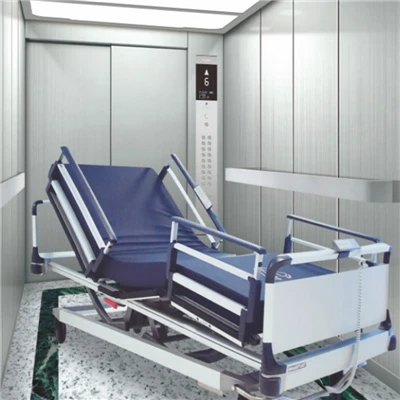
If you’ve ever got a dumbwaiter in a café, small restaurant, hotel back office, or even a multi-unit home, you know they’re kind of the unsung heroes of light-duty material movement. We’ve been supplying these little workhorses for years, and let’s be real—most people don’t think twice about them until they jam mid-delivery, spill tray after tray of pastries, or worse, stop dead.
Today, I’m pulling back the curtain on what actually keeps a dumbwaiter running smooth. It’s not rocket science, but skip even one small step, and you’re looking at downtime that kills your service, loses you money, or even creates a safety hazard. And yeah, as a dumbwaiter supplier, I’ve seen it all: a café that forgot to lube their lift for 18 months, a boutique hotel where a broken limit switch let the car overshoot the counter, a residential dumbwaiter that got gunked up from moving laundry instead of food. Let’s dive into the real, on-the-ground maintenance you actually need, no fancy jargon or overcomplicating things.
First, let’s get the basics straight. Dumbwaiters are way smaller than standard elevators—usually carry 50 to 500 pounds, move between 2 to 6 floors, and handle things like food trays, office supplies, linens, or small inventory. Most use a cable-and-pulley system, sometimes a chain, and have a simple electric motor. That simplicity is why they’re so reliable when cared for, and so annoying when neglected.
Let’s start with the daily stuff. This isn’t something only a tech can do—your front-of-house manager, housekeeping lead, or even a part-timer can knock this out in 2 minutes at the start of every shift. Most dumbwaiter issues start with small, obvious things people ignore. First, check the guide rails. Those are the vertical metal tracks the dumbwaiter car rides on. Every day, give ’em a quick wipe-down with a dry rag to get rid of crumbs, dust, spilled syrup, or lint. If you let that gunk build up, the car drags, puts extra strain on the motor, and wears out the wheels or guides way faster. Next, test the safety brakes. Yeah, dumbwaiters have brakes—emergency ones that kick in if the cable snaps, and holding brakes that keep the car from drifting when it’s stopped. Give the car a little nudge when it’s on a floor (gently, no shoving) and see if it stays put. If it moves, that’s a red flag. Also, listen. When the car starts moving up or down, it shouldn’t grind, squeal, or make any weird scraping sounds. If it does, that’s something to flag before it gets worse. One more daily check: the call buttons and floor indicators. Make sure they light up when you press ’em, and the display shows the right floor. Jammed buttons are a super common thing—people lean on ’em with trays, so pop off the face once a week and brush out any crumbs.
Now, weekly maintenance. This is a little more hands-on, but still stuff your in-house team can handle, no fancy tools needed. First, lubrication. This is the big one I mentioned earlier—most people either over-lube or under-lube, and both are bad. For cable-driven dumbwaiters (the most common type), you want to lube the cables and pulleys every week. Use a light, dry lubricant—wait, no, not the thick grease you use on your car. Silicone-based lubricant is perfect here. It cuts friction without attracting more dust or gunk. How to do it? Lower the car halfway between two floors so you can access the cable. Spray a light coating on both sides of the cable as it runs through the pulleys. Don’t drench it—too much lube will make the cable slippery, and the pulleys won’t grip it right, which causes slipping or jerky movements. For chain-driven dumbwaiters, same deal: light silicone lube on the chain, not heavy gear oil. Next, check the car door interlocks. Dumbwaiters won’t move a muscle unless all doors (the ones on each floor and the car door) are fully closed—this is a safety feature, period. Every week, test this by leaving one door cracked (carefully, don’t let the car move) and try to call it to another floor. If it still moves, that’s a problem—the interlock switch is broken, and that’s a huge safety risk. Don’t put that off; get it fixed right away. Also, check the car’s load limit. We supply our dumbwaiters with clear load plates that say exactly what they can hold (usually max 200 lbs for most commercial models, a bit more for heavy-duty ones). Every week, remind whoever uses it not to overload it. I can’t tell you how many times I’ve seen a café stuff 50 lbs of food and a stack of menus into a 200-lb dumbwaiter. That strains the motor, stretches the cables, and leads to catastrophic failure way earlier than it should. Lastly, wipe down the car interior and door tracks. Spilled coffee, food scraps, or lint from linens can get stuck in the door tracks, making the door hard to open or close, which triggers interlock issues. A quick wipe with a damp rag (make sure it’s not dripping, you don’t want water on the motor or electrical parts) and a pick for any crumbs stuck in the tracks does wonders.
Okay, now monthly maintenance. This is the point where it’s good to have a tech stop by, or at least follow a more detailed checklist that’s specific to your dumbwaiter model. First, inspect the cables. Cables don’t last forever, but if you catch issues early, you can avoid a full replacement. Look for frayed strands, kinks, or any spots where the cable is worn thin—run your fingers along it (gently, when the power is off!) and feel for any rough spots. If you see frays longer than a quarter-inch, or more than 3 small frays in a 10-foot section, that’s time to replace the cable. Also, check the cable tension. If one side is tighter than the other, that can make the car lopsided, drag, or jump. Most dumbwaiters have adjustment bolts at the top pulley, so a tech can tweak that evenly on both sides. Next, check the limit switches. These are the little switches that stop the car before it hits the top or bottom of the shaft—super important, because if the car slams into the end of the shaft, you’re looking at a way bigger repair (broken car, damaged rails, motor issues). Test them by sending the car all the way up until it hits the limit switch—when it should stop automatically, not keep going. Do the same on the bottom. If it doesn’t stop, that’s a critical fix. Also, check the motor and drive assembly. You don’t need to take it apart, but listen to it when it runs—does it sound like it’s working too hard? Feel the motor housing (gently!) to see if it’s overheating. If it’s hot to the touch when it’s only been running a minute, that’s a sign something’s wrong—maybe it’s straining because of a bad cable or dirty rails. Last, test the emergency stop button. It’s there for a reason—usually on the top floor control panel or inside the car. Hit it when the car’s moving, make it stop immediately, then reset it. If it doesn’t, that’s a safety hazard, plain and simple.
Now, let’s talk about semi-annual (twice a year) and annual maintenance. These are the deep-dive checks that are best done by a professional—we do these for all our clients, and it’s worth every penny. Twice a year, a tech will come and do things like: inspect the guide rail alignment. Over time, the guide rails can shift a little from regular use, making the car run crooked, wearing out wheels and guides faster. They’ll adjust them so they’re perfectly vertical and spaced evenly. They’ll also check the sheave grooves (the wheels the cables run in) for wear—if the grooves are worn into a weird shape, the cable slips or wears out fast. They’ll either resurface or replace the sheaves if needed. Annually, it’s time to check all electrical connections—loose wires can cause intermittent issues, or even electrical fires. The tech will tighten connections, check for corrosion (especially if the dumbwaiter is in a damp place, like a basement kitchen), and test the control system to make sure all the switches, buttons, and sensors are working right. They’ll also do a full load test—put the maximum rated weight in the car, run it up and down all floors, to make sure everything holds up, no slipping, no strain, no weird noises.
Wait, let’s talk about common mistakes I see all the time, because that’s what leads to most dumbwaiter problems. First, using a dumbwaiter for stuff it’s not meant for. I’ve had a gym use theirs to move 20-lb dumbbells—way over their load limit, and that stretched the cables so bad they had to replace them after 6 months. Another one: putting wet stuff in the car without wiping it off—like a tray of wet dishes, or linens straight from the washer. Water can get into the motor or electrical parts, causing rust or shorts. Third, skipping lube. Even if you do only the weekly lube, that’s enough for most dumbwaiters—skip it for a year, and you’re looking at a $1,000+ repair for worn rails or a fried motor. Fourth, ignoring small issues. If your dumbwaiter squeals once, don’t just “wait and see”—call someone. A $20 lube job today is way cheaper than a $1,500 cable replacement next month.
Also, let’s be real—every dumbwaiter is a little different, depending on what it’s used for. A residential dumbwaiter that moves groceries and laundry is going to need a little less maintenance than a commercial one in a busy restaurant that’s running 8 hours a day, 6 days a week. A hospital dumbwaiter that moves medical supplies is going to have stricter safety checks, so you’ll want to make sure your maintenance covers that.
At the end of the day, dumbwaiters are low-maintenance, but they’re not no-maintenance. The best part? Most of this is super easy to get into a routine. It doesn’t take a lot of time, and it keeps your dumbwaiter running for years, not months. We’ve supplied dumbwaiters that are still going strong after 20 years, just because the owners stuck to a basic maintenance schedule. Neglect one, and you’ll be replacing it in 5 years, guaranteed.

If you’re looking to install a new dumbwaiter, or need help setting up a maintenance plan for the one you already have, we’re here to help. Whether you’re a small café owner who needs a quick check, or a hotel operations manager who wants a long-term maintenance contract, feel free to reach out to us to chat through your needs. We don’t do one-size-fits-all, and we’ll make sure your dumbwaiter stays a reliable workhorse for your space.
Car Elevator References
- American Society of Mechanical Engineers (ASME) A17.1: Safety Code for Elevators and Escalators, 2021 Edition
- National Elevator Industry, Inc. (NEII) Dumbwaiter Maintenance Guidelines, 2022
- International Association of Elevator Safety Authorities (IAESA) Light-Duty Material Lift Safety Standards, 2020
Fuji Express Elevator Co., Ltd.
As one of the most professional dumbwaiter elevator manufacturers and suppliers in China, we’re featured by quality products and good service. Please rest assured to buy custom made dumbwaiter elevator at competitive price from our factory. Contact us for more details.
Address: No. 7 Nanxiehe, Fuqiang Village, Dongqian Subdistrict, Nanxun District, Huzhou City, Zhejiang Province
E-mail: vivi@fujilift-tech.com
WebSite: https://www.fujilift-tech.com/
