If you’ve ever spent time on the road in an RV—whether that’s a weekend at a remote mountain campground, a cross-country trip with your family, or a long-term digital nomad stint—you know one of the biggest pain points isn’t packing snacks or mapping routes. It’s keeping the lights on, charging your laptop and camera gear, running your AC on a sweltering highway stretch, or powering your refrigerator when you’re 50 miles from the nearest campground hookup. For years, campgrounds have offered limited hookups, leaving many RV owners to rely on battery power alone (which only lasts so long) or generator sets. As a genset supplier, I talk to RV owners every single day who ask: Can a genset actually work for an RV? Gensets

The short answer? Yes—when you pick the right model for your setup, use it safely, and match it to your power needs, a genset isn’t just a band-aid for dead batteries. It’s a reliable, versatile solution that turns a basic RV trip into something comfortable and stress-free. But before we dive into the details, let’s clear up the biggest misconceptions I hear: gensets aren’t just for tailgates or construction sites. They’re purpose-built for RVs, and getting one right makes all the difference.
First, let’s break down what RV power needs actually look like. A tiny teardrop camper with a LED light, a phone charger, and a mini fridge might only need 500 watts of steady power. A 30-foot class A motorhome with a full-size fridge, rooftop AC, two televisions, a microwave, and a water heater? That’s often 3,000 to 5,000 watts of power, with spikes of 7,000+ watts when the AC kicks on (because AC units need extra power to start up, not just run). If you get a genset that’s too small, it’ll strain to keep up—you’ll have lights flickering, your fridge running warm, and the genset working overtime, which shortens its life. Get one too big, and you’re wasting fuel and creating unnecessary noise. That’s where our team comes in; we don’t just sell gensets—we help RV owners calculate their exact needs before making a purchase.
Now, the most common question I get: Are RV gensets safe to use? If you follow basic guidelines, absolutely. Carbon monoxide (CO) is the biggest risk here, and it’s non-negotiable to address. RV gensets are designed to vent exhaust away from the living space of your RV, but that doesn’t mean you can run it in an enclosed space. Never run a genset inside your RV, inside a garage, or anywhere with limited airflow—even if the door is open. We always recommend installing a battery-powered CO alarm inside your RV as an extra layer of safety, and never leaving a running genset unattended for long periods. Another safety tip: only use clean, fresh gasoline or diesel fuel designed for your genset, and store fuel in approved, vented containers away from the RV’s living area. E85 fuel is a no-go for most RV gensets, so always check the manufacturer’s specs before topping off.
Next, how do gensets compare to other power options for RVs? We hear a lot of talk about solar panels these days, and don’t get me wrong—solar is a great option for some people. But solar has limitations: it only works when the sun is shining, it’s expensive to scale for high-power needs (like two AC units), and it doesn’t work at all during cloudy, rainy days or overnight. Portable batteries are another option, but like solar, they have a limited capacity—you can run your fridge for a few hours, but if you want to run your AC all night during a camping trip, a battery will die long before morning. A genset, on the other hand, can run for 8 to 12 hours on a full tank of fuel (depending on the model and load), and can be refueled at almost any gas station or truck stop along your route. It’s a reliable, consistent power source that doesn’t depend on weather or battery capacity.
That said, gensets aren’t perfect, and there are a few trade-offs to consider. Noise is the big one. If you’re camping in a quiet, tree-lined campground, a loud genset can ruin the experience for you and your neighbors. That’s why we sell a range of quiet genset models specifically designed for RVs, with sound-dampening technology that cuts noise levels to 55 to 65 decibels—about the same as normal conversation, not the loud roar of a construction generator. Fuel use is another factor: gensets do burn fuel, so you’ll want to plan for that cost on longer trips. And if you’re boondocking (camping off-grid for days or weeks), you’ll need to plan your fuel stops, but for most RV travelers, that’s a small inconvenience compared to the convenience of having full power at all times.
Let’s talk about the practical side of installing and using a genset in an RV. Most modern RVs are pre-wired to accept a genset, but if yours isn’t, you’ll need a qualified RV technician to install a transfer switch. A transfer switch is critical—it connects the genset to your RV’s electrical system, so you don’t accidentally feed power back into the campground grid (which is a huge safety risk for line workers). If you’re buying a portable genset, you’ll need a heavy-duty extension cord rated for the power output of your genset to connect it to your RV. We always warn our customers to never use standard household extension cords—they can overheat and cause a fire when handling high power loads.
I’ve seen firsthand how a good genset can transform an RV trip. Last year, I worked with a couple who had a 20-foot travel trailer and had only used campground hookups for years. They tried boondocking for the first time and got stuck at a state park with no hookups for three days. They had a small portable genset they borrowed from a friend, but it was only 2,000 watts—enough to run lights and their TV, but not their fridge or water heater. They came to us after that trip, and we helped them pick a 3,500-watt quiet diesel genset that fits perfectly in their trailer’s outside storage compartment. On their next trip, they camped for a week in a national forest with no services, running their AC every night, keeping their fridge cold, and even running a small space heater on cool evenings. They told us it was the most comfortable trip they’d ever had, and they never would have attempted it without the right genset.
Another example: a family with a class A motorhome that full-times on the road. They tried solar panels first, but after a few months, they realized they needed more power to run their washing machine and dishwasher. They were hesitant about gensets because of noise, so we recommended a model with a quiet mode that only produces 58 decibels. They were shocked at how quiet it was—you could barely hear it over the wind when they were driving, and at camp, no one commented on noise. Since adding the genset, they’ve been able to stay in remote locations for weeks at a time, no longer limited by hookups or cloudy days that kill their solar.
Now, let’s address some common mistakes we see RV owners make when using a genset. The biggest one is overloading the genset. Every genset has a maximum wattage rating, and running too many high-power devices at once will cause the genset to shut down or even damage your RV’s electrical system. We always recommend adding up the wattage of all the devices you’ll run at the same time, then picking a genset that’s 20-25% larger than that total. That extra capacity gives you room for spikes (like when your AC starts) and prevents the genset from working at full load all the time, which extends its lifespan. Another mistake is not maintaining the genset. Just like your RV engine, a genset needs regular oil changes, air filter replacements, and spark plug checks. We remind all our customers to do a test run of their genset every month, even if they’re not using it, to keep it in good working order. Old fuel is another issue—gasoline can go bad in 30 days if it’s sitting in a genset, so we recommend using a fuel stabilizer if you’re storing your genset for more than a month, or draining the fuel before storage.
If you’re still on the fence about whether a genset is right for your RV, ask yourself a few questions: How often do I camp off-grid? Do I need to run high-power devices like AC, microwaves, or washing machines? Am I tired of being tied down to campground hookups? If you answered yes to any of these, a genset is almost certainly a good investment. It’s not just a temporary power solution—it’s a way to expand your travel options, so you can go places you never thought you could, without sacrificing comfort.
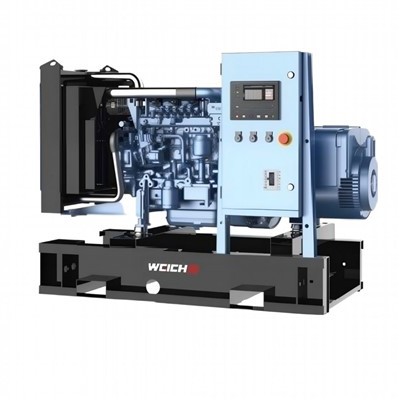
At the end of the day, RV travel is about freedom—freedom to go where you want, when you want, without being limited by infrastructure. A genset is one of the most reliable ways to protect that freedom. It’s a tool that lets you stay comfortable, safe, and powered up, no matter how far off the beaten path you go. If you’re ready to pick a genset for your RV, or you have questions about sizing, installation, or maintenance, our team is here to help. We’ve worked with hundreds of RV owners, from weekend campers to full-time travelers, and we can match you with the right genset for your needs, budget, and RV setup. Don’t let limited power hold you back from your next adventure—reach out to our team to discuss your requirements and find the perfect solution for your RV.
Road Roller References:
- RV Industry Association. (2022). RV Power Requirements and Off-Grid Living Guide. RVIA.
- U.S. Department of Energy. (2021). Portable Generator Safety for Residential Use. Office of Energy Efficiency & Renewable Energy.
- National Park Service. (2023). Boondocking Best Practices for RV Travelers. NPS.
- Generator Supply Association. (2022). Genset Sizing Guidelines for Recreational Vehicles. GSA.
- Consumer Reports. (2023). Best Quiet Generators for RV Use. Consumer Reports.
China Machinery International Trading Co., Ltd.
China Machinery International Trading Co., Ltd. is one of the most experienced gensets manufacturers and suppliers in China. We warmly welcome you to buy cheap gensets made in China here from our factory. Quality products and reasonable price are available.
Address: Room 233, 2nd Floor, Building 16A, No. 1, Shuguang Xili Jia, Chaoyang District, Beijing
E-mail: Info@tajhzg.com
WebSite: https://www.cnmachinery-global.com/
