Yo! As a supplier of textile washing machines, I often get asked about the vibration level of these machines. It’s a pretty crucial aspect, and today, I’m going to break it down for y’all. Textile Washing Machine
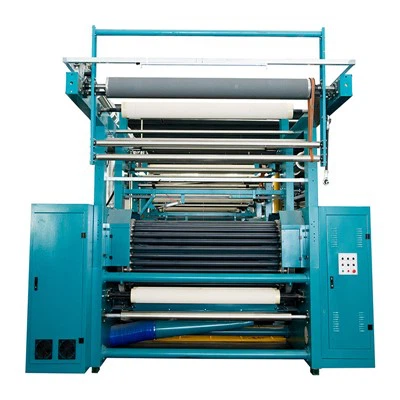
First off, what exactly is the vibration level of a textile washing machine? Well, it’s all about how much the machine shakes or moves during its operation. You see, when a washing machine is running, especially during the spin cycle, there’s a lot of motion going on inside. The tub spins at high speeds, and all those clothes bouncing around can create a fair amount of force. This force can cause the machine to vibrate.
Why does the vibration level matter? It’s not just about that annoying rattling noise you might hear when the machine is on full blast. High vibration levels can actually have a significant impact on the machine’s performance and lifespan. For starters, excessive vibration can lead to wear and tear on the machine’s components. The constant shaking can loosen parts, damage the internal structure, and even cause leaks over time. And let’s not forget about the noise. A machine that vibrates too much can be a real nuisance, especially if your laundry area is close to living spaces.
So, what causes high vibration levels in textile washing machines? One of the main culprits is uneven loading. If you throw all your clothes to one side of the tub, the weight distribution will be off. When the machine starts spinning, that imbalance creates a centrifugal force that makes the tub wobble and the whole machine vibrate. Another factor is the machine’s installation. If it’s not level on the floor, it won’t be stable during operation. Even a slight tilt can cause the machine to shake more than it should.
Now, as a supplier, we’ve put a lot of effort into minimizing the vibration levels of our textile washing machines. We use advanced technology to design machines with better balance and stability. For example, our machines are equipped with dynamic balancing systems. These systems use sensors to detect any imbalances in the tub during the spin cycle. If an imbalance is detected, the system automatically adjusts the speed and movement of the tub to even out the weight distribution. This helps to reduce vibration and keep the machine running smoothly.
We also pay close attention to the materials and construction of our machines. We use high – quality, durable materials that can withstand the forces generated during operation. The frame of our washing machines is designed to be rigid and stable, which helps to absorb and dampen vibrations. And we’ve added special vibration – absorbing pads to the feet of the machines. These pads act as shock absorbers, reducing the amount of vibration that is transferred to the floor.
But it’s not just about what we do on our end. There are also some things you can do as a user to keep the vibration levels in check. Firstly, make sure to load your machine evenly. Try to distribute the clothes evenly around the tub before starting the cycle. If you have a large item like a blanket or a comforter, it’s a good idea to add a few smaller items to balance it out.
Secondly, check the level of your machine when you first install it. You can use a simple bubble level to make sure it’s sitting flat on the floor. If it’s not level, you can adjust the feet of the machine until it is. And don’t forget to check the level periodically, especially if you move the machine or if the floor settles over time.
Another tip is to avoid overloading the machine. Each washing machine has a recommended load capacity, and exceeding it can not only increase vibration but also affect the cleaning performance. Just follow the guidelines in the user manual to ensure you’re using the machine correctly.
Now, in terms of measuring the vibration level of a textile washing machine, there are specific standards and methods. Most manufacturers use accelerometers to measure the vibration acceleration of the machine’s frame. The vibration level is usually expressed in terms of acceleration (e.g., meters per second squared) or velocity (e.g., meters per second). There are also industry standards that specify the maximum allowable vibration levels for different types of washing machines.
At our company, we test all our machines rigorously to ensure they meet or exceed these standards. We believe that providing a washing machine with low vibration levels is not only about customer satisfaction but also about the long – term reliability of our products.
When you’re in the market for a textile washing machine, the vibration level should be one of the key factors you consider. A machine with low vibration will not only be quieter and more comfortable to use, but it will also last longer and require less maintenance in the long run.
So, if you’re looking for a high – quality textile washing machine with excellent vibration control, you’re in the right place. We’ve got a range of machines that are designed to meet the diverse needs of our customers, whether you’re a small – scale laundry business or a large industrial operation.

If you’re interested in learning more about our products, or if you want to discuss your specific requirements, don’t hesitate to reach out. We’re always happy to have a chat and help you find the perfect washing machine for your needs. Contact us, and let’s start a conversation about taking your laundry operations to the next level.
Textile Raising Machine References
- Textile Machinery Design and Engineering Handbook
- International Standard on Washing Machine Vibration Testing
Jiangsu Feng Te Technology Co., Ltd.
We’re well-known as one of the leading textile washing machine manufacturers in China. With a professional production team, we are able to meet the needs of the majority of our customers. Please rest assured to buy discount textile washing machine for sale here from our factory.
Address: No. 4 Zhanghong Road, Siying Industrial Park, Lianyungang City, Jiangsu Province, China
E-mail: frentejenny@foxmail.com
WebSite: https://www.jsfrente.net/
