Hey there, if you’ve ever stepped foot in a warehouse, a construction site, or a busy shipping yard, you’ve probably seen a forklift doing its thing — lifting pallets, stacking goods, zipping around tight aisles. But here’s the thing: not all forklifts are created equal. A small grocery store moving pallets of canned goods has totally different needs than a steel plant hauling 10,000-pound metal beams, or a food processing facility that needs to keep everything sanitary. That’s where forklift customizations come in — and as a forklift supplier, I’ve seen first-hand how the right tweaks can turn a “one-size-fits-all” machine into a workhorse that actually fits what your team needs day in and day out. Forklifts
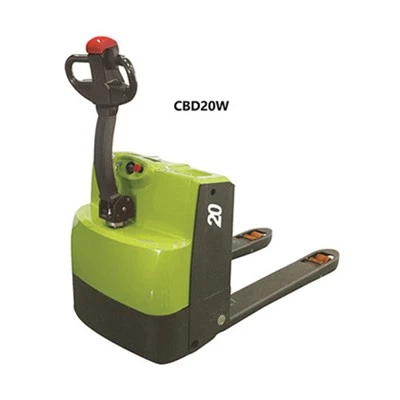
Let’s start with the basics you’d notice right away: the forks. Most standard forklifts come with generic forks that work for average-sized pallets, but when you’re dealing with weird loads, those forks just won’t cut it. Ever seen a load of long, thin pipes, or a stack of wooden planks that stick out way past a regular pallet? We can customize fork lengths all the way up to 20 feet — way longer than the 4-foot standard. And if you’re moving super heavy stuff, like concrete blocks or industrial machinery? We can reinforce the forks themselves, adding thicker steel or even side-shifters that let you slide the forks left or right without repositioning the whole truck. No more awkward maneuvering to line up forks with pallet slots — that saves so much time. Oh, and for loads that are extra fragile, like glass panels or fine electronics? We can add non-slip fork covers, too — usually rubber or polyurethane — so you don’t scuff or break anything. It’s a small change, but it’s been a game-changer for a lot of our clients.
Next up: the cab. The cab is where the operator spends their entire shift, so if it’s not set up right, productivity drops fast and injuries go up. Basic cabs are bare-bones — seat, steering wheel, a few gauges. But custom cabs can make all the difference. Let’s say you work in a place with crazy hot or cold temperatures, like a refrigerated warehouse storing frozen food. A standard cab’s heater or AC won’t keep up, but we can add insulated cabs, maybe even a built-in climate control system that runs off the forklift’s battery or engine. For outdoor work, like construction sites in the rain or snow, we can add fully enclosed cabs with windshield wipers that actually cover the whole front window, not just half. We also do visibility upgrades — things like smaller roof supports so the operator can see the forks when they’re lifting high, or backup cameras and sensors that beep when they get close to a wall or another worker. A lot of folks think “I can just train operators to look” but let’s be real: tired operators make mistakes, and those cameras cut down on crashes.
Then there’s the power source. Standard forklifts usually run on gas, diesel, or basic lead-acid batteries, but modern customizations here are huge, especially as more places push for sustainability. If you’re an indoor operation, diesel forklifts spew fumes that can make the air gross and even pose safety risks in closed spaces. So we can swap in lithium-ion batteries — they charge way faster (like 1-2 hours vs. 8 for lead-acid), last longer, and don’t have any toxic fumes. For small businesses that don’t have a lot of space for charging stations, we can even add compact battery swaps so you can just pop a dead battery out and a fresh one in in 5 minutes, no downtime. And if you need extra power for heavy loads or long shifts? We can crank up the engine’s horsepower or boost the battery capacity — no more running out of juice mid-shift when you’ve got a full truckload to move.
Now, for the stuff that most people don’t think about: attachments. Attachments are like extra tools that snap onto the forklift, and they’re the kind of customization that solves super specific problems. Let’s say you’re moving drums of oil or chemicals — a standard set of forks won’t hold them steady without rolling or tipping. We add drum clamps that lock around the top or bottom of the drum, so you can lift and stack 55-gallon drums without any spills. For paper mills or print shops, where you’re moving big rolls of paper? Roll clamps that grip the center or outer edge, so you don’t have to balance the roll on generic forks. And for retail warehouses that move lots of pallets? Pallet inverters — they flip the pallet over so you can unload or restock goods without taking everything off manually. I’ve had a client who works with beverage distributors, and they use fork extensions with built-in scale sensors — so when they lift a pallet, it automatically tells them how much it weighs. That cuts down on the time they have to stop and weigh each pallet on a separate scale, saving hours a week.
We also do customizations for extreme environments, and I mean really extreme. If you work in a construction site in the middle of winter, where it’s -20°F or lower? Standard parts like hydraulic lines and battery just won’t work — they get brittle or die fast. We swap out for cold-weather components: special hydraulic fluid that doesn’t thicken up, batteries that perform in freezing temps, even heated grips on the steering wheel so operators don’t have to wear bulky gloves that make it hard to control the truck. On the flip side, if you’re working in a dusty sawmill or a mining site where there’s tons of debris? We add sealed air filters and dust-proof seals on the cab and engine, so dust doesn’t get in and wear out parts fast. Those environments destroy regular forklifts in half the time, but the custom parts make them last 2-3 times longer.
Wait, and what about safety mods? I can’t stress this enough — safety is non-negotiable in any worksite, and customizations here are way more than just backup sensors. We add things like proximity detection systems that alert operators (and even other workers with special tags) if a forklift is coming, so no more surprise collisions in busy warehouses. For sites where people are walking near forklifts, we can program the truck to automatically slow down when it detects someone nearby — no matter how hard the operator hits the gas. We also do custom warning lights — not just the standard beep, but flashing lights that are brighter and more visible, so people can see the forklift coming even in dimly lit storage areas. For companies that have strict safety standards, we can even add GPS tracking and log everything the forklift does: how fast it’s going, how many hours it’s operated, where it’s driven. That’s not just for accountability — it helps companies spot bad habits, like operators speeding, and train them to be safer.
A lot of people ask me: “Is it worth customizing a forklift instead of just buying a new one?” And my answer is usually yes — but it depends on how unique your needs are. If you’re a small business moving standard pallets, a regular forklift is totally fine. But if you’ve got weird loads, a specific worksite environment, or goals like cutting down on emissions or saving time, customizations almost always pay for themselves in the long run. You’re not paying for parts you don’t need, and you’re getting a forklift that actually works for your team, not the other way around.
I’ll give you a quick example: a client of mine who runs a local food processing plant. They were using regular lead-acid battery forklifts, which would die halfway through a shift, and they had a problem with pallets of fresh produce getting scuffed by the forks. We swapped them to lithium-ion batteries (so no more mid-shift dead batteries), added non-slip fork covers, and installed side-shifters so they could line up pallets faster. In the first month, they cut their pallet damage by 70% and saved 2 hours a day on charging time. That’s money they put back into the business, right there.
Another client is a steel supply company that hauls 12,000-pound metal beams. They were using standard diesel forklifts that could barely handle the load, and they kept having to bend forks because the metal was so heavy. We reinforced their forks, boosted the engine horsepower, and added fork extensions to match the length of the beams. Now they don’t have to rent extra equipment for heavy loads, and their forklifts last way longer because the parts are built for the job.
Here’s the thing I always tell folks: when you’re picking a forklift, don’t just go for the cheapest or the most popular model. Think about what you actually do every day. Do you move weird-shaped loads? Work in extreme temperatures? Need to keep things safe in a crowded space? Those needs aren’t one-size-fits-all, so your forklift shouldn’t be either.
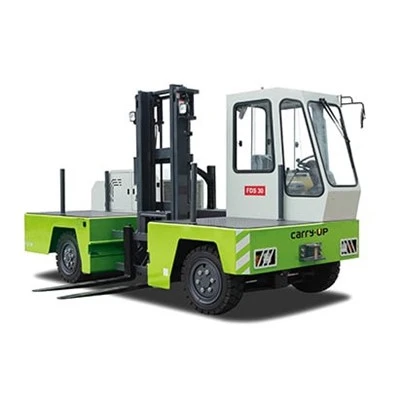
If you’re tired of forklifts that don’t fit your job, or you’re ready to stop wasting time and money on equipment that’s not working for you, reach out — we can walk through your specific needs, show you exactly what customizations would make sense, and get you set up with a forklift that actually makes your team’s job easier. No jargon, no pressure, just real solutions for real worksites.
References
Hand Pallet Trucks Material Handling Industry Association. (2022). Customized Lift Truck Solutions for Unique Work Environments. MHIA Technical Report.
OSHA. (2021). Forklift Customization and Workplace Safety Guidelines. Occupational Safety and Health Administration.
Battery University. (2023). Lithium-Ion vs. Lead-Acid Forklift Battery Performance. Battery University Industry Brief.
Hangzhou Carry Equipment Co., Ltd.
Hangzhou Carry Equipment Co., Ltd. is one of the most professional forklifts manufacturers and suppliers in China, also supports customized service. Please feel free to buy advanced forklifts for sale here and get quotation from our factory. For price consultation, contact us.
Address: No.360 Tongxiang Rd., Yinzhou Economic Development Zone, Yinzhou Dist., Ningbo, China
E-mail: Sales@carryupmhe.com
WebSite: https://www.carrymhe.com/
