If you’ve ever stood in a grocery store produce aisle and stared at a dozen different corn options—from the flimsy plastic bag holding a single ear to the rigid, sealed container of pre-shucked kernels—you’ve stumbled on a tiny but huge part of the food supply chain. As a corn packaging supplier, I’ve spent years watching how the way we wrap, store, and present corn has shifted dramatically, and it’s not just about making things look nice for shelves. The gap between traditional corn packaging and modern solutions isn’t just new vs. old—it’s tied to everything from how long corn stays sweet to how much waste gets tossed away at every step. Let’s break it down like I chat with my clients over coffee, no stuffy jargon, just real stuff we deal with every day. Corn Packaging
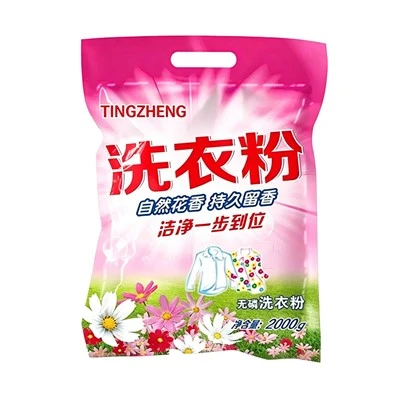
First, let’s ground this: traditional corn packaging is basically everything that was used before the 2010s, right? Back in the day, most corn was sold loose—you’d grab ears, twist ‘em into a thin brown paper bag, or even just leave ‘em stacked in big wooden crates at farm stands and old-school grocery stores. A lot of the time, it wasn’t even packaged at all, just tied with a bit of twine. I remember my grandpa, who ran a small farm in Iowa back in the 70s, would wrap his sweet corn in newspaper so it didn’t dry out on the ride to market. That made sense then, but it had massive flaws. Paper bags, for example, are porous—so they let air and moisture escape fast. Corn’s super perishable, you know? Sugars start turning to starch within hours of being picked. If you wrap it in paper that breathes too much, by the time a customer got it home, half the sweetness was gone. And those wooden crates? They were heavy, took up way too much space in delivery trucks, and they’d get moldy if corn juice seeped into the cracks. No wonder farmers and grocers were tired of throwing out 20% or more of their corn before it even hit shelves.
Then there’s the shift to plastic, which is sort of a middle ground that led into modern packaging. Starting in the 90s, thin polyethylene bags took over. They were cheap, easy to print labels on, and did a way better job locking in moisture. But even that old plastic had issues. It was mostly single-use, and a lot of it wasn’t recyclable back then. Plus, if you shuck corn before packaging it—like for pre-cut kernels—old plastic bags would let oxygen seep through, turning the kernels mushy in a couple days. Grocers would have to mark down half their stock after three days, which cuts into profits and means more food waste. Traditional packaging, even with the plastic era, was reactive: it solved a problem temporarily but didn’t fix the big stuff like waste, shelf life, and transport costs.
Modern corn packaging, though? That’s where the science gets interesting, and it’s all about being proactive instead of just patching old gaps. Let’s start with the basics of what modern solutions do that old ones didn’t: they control the environment around the corn, not just wrap it up. For example, modified atmosphere packaging (MAP)—that’s the stuff where the plastic film lets just the right amount of oxygen and carbon dioxide in, so corn stays sweet 2-3 times longer than it did in old paper or basic plastic. I worked with a mid-sized grocery chain last year that switched their sweet corn from old thin plastic bags to MAP packaging, and they cut their produce waste from corn by 18% in the first 6 months. That’s a huge number, and it’s not just because the packaging is fancy—it’s because it’s tailored exactly to corn, not just a one-size-fits-all wrap.
Another big difference: modern packaging is way more flexible for different types of corn. Back in the day, all corn was sold on the cob, plain and simple. Now you have sweet corn, field corn, organic corn, pre-shucked kernels, even corn on the cob for grilling (those little 2-ear packs everyone grabs for summer cookouts). Traditional packaging couldn’t handle that variety—you either had a paper bag for cobs or nothing for kernels. Modern solutions have separate designs: for on-the-cob corn, some suppliers use thin, breathable films that let you peel back the bag to shuck right there in the store, no mess. For pre-shucked kernels, we use rigid polypropylene containers with lids that have tiny vents so they don’t get soggy, and they stack way better than loose kernels in plastic. Even organic corn has its own packaging now—no extra coatings that might mess with organic certifications, just food-safe, recyclable films that keep chemicals out and corn fresh.
Wait, let’s talk about sustainability, because that’s the biggest gripe people have with old packaging. Traditional corn packaging was almost all single-use, and a lot of it wasn’t recyclable. The brown paper bags from the 70s? Sure, they compost, but only if you have the right equipment—most curbside programs don’t accept them because they get greasy or mixed with food. Those old plastic bags from the 90s? Most still end up in landfills, because they’re too thin to recycle at most drop-offs. Modern packaging has flipped that. A lot of our clients now want packaging that’s recyclable or compostable, so we’ve switched to films made from plant-based materials (not fossil fuels) that break down in industrial compost in 90 days. Even the rigid containers we use for pre-shucked corn are made from 30% recycled plastic, and grocers can drop them in their regular recycling bins no problem. That’s a massive shift from the old days where packaging was just an afterthought, not a part of the sustainability game.
But it’s not all perfect—there are trade-offs too, which I have to be honest about. Traditional packaging was super cheap upfront. A paper bag costs like 2 cents, while a modern MAP film might be 5 cents. For small farmers, that extra cost can be a big deal. That’s why a lot of suppliers, myself included, now offer tiered options: if you’re a small farm selling at a local farmers market, we’ve got a simple, compostable paper bag that’s a little more expensive than the old brown ones but still way cheaper than modern packaging for grocery chains. For big retailers with thousands of corn ears, the cost per unit drops, and the waste savings usually make up the difference in 6 months. That’s the kind of real-world math a lot of people miss when they talk about “old vs. new” packaging—its not just better, it’s adaptable, which is why it’s stuck around.
Another thing: consumer expectations. Back in the day, customers didn’t care if a corn ear had a little dirt on it or if the bag was torn. Now? Everyone wants clean, pre-shucked options, and they hate when a bag of kernels gets crushed on the way home. Traditional packaging didn’t protect corn from physical damage—stacking 50 pounds of loose corn in a crate would bruise the ears, and bruising makes corn go bad faster. Modern packaging uses things like foam inserts for shipping, or rigid clamshells for store displays, so corn gets to the customer in one piece. I’ve had so many clients tell me that switching to better protective packaging cut their “bad corn” complaints by 70%—that’s not just happy customers, that’s less food waste too.
Wait, let’s get into the nitty-gritty of shelf life, because that’s where the science is most obvious. Traditional paper bags would make corn go from sweet to starchy in 2 days, maximum. Old plastic bags maybe added a day or two. Modern MAP packaging can keep sweet corn sweet for up to 10 days, right in the fridge. That’s a game-changer for grocery stores that have to ship corn across the country—before, they could only buy from local farms within 100 miles, now they can get corn from farmers in Georgia and sell it in California, and it’s still fresh when it hits shelves. That’s a huge win for both farmers, who can sell more corn, and customers, who can get fresh corn no matter where they live.
But let’s not forget that traditional packaging still has a place. I still sell a ton of compostable paper bags to small farm stands and local co-ops, because their customers love the “old-school” vibe, and it fits with their small-scale, local brand. It’s not that modern packaging is replacing traditional—it’s that we now have options for every use case, instead of just one. Back in the 80s, if you were a farmer, you used whatever was cheapest and worked, now you can pick what fits your business, your customers, and your values. That’s a way bigger difference than just the materials.
Now, let’s talk about some common myths I hear from people who don’t work in the corn packaging space. A lot of folks think modern packaging is just “plastic for plastic’s sake,” but no—we test every single film we use. For example, we did a test last year where we put corn in 5 different films, and the MAP film kept sugar levels at 12% after 10 days, while the old thin plastic had only 4% sugar (that’s basically starch, not sweet corn). Another myth: all modern packaging is worse for the environment. Sure, some of the cheap, non-recyclable films are, but most of the ones we use now have a lower carbon footprint than old plastic or paper bags, because they’re thinner, use less material, and are often made from renewable resources. We track our packaging’s carbon footprint every year, and we’ve cut it by 25% since 2019 by switching to plant-based films and reducing the amount of plastic we use per unit.
Another thing: food safety. Traditional packaging was super low-tech, so there was a higher risk of cross-contamination—corn ears would sit on the same surfaces as other produce, or dirt from crates would get on the corn. Modern packaging has sealed, food-safe containers that keep bacteria out, and a lot of them have antimicrobial coatings (not chemicals, just natural ones like citric acid) that keep corn fresh longer without preservatives. That’s a big deal for parents who buy corn for kids, or for grocers who have to meet strict food safety rules.
So what does all this mean for the future? I think we’re going to keep blurring the lines between traditional and modern, not just pick one. We’re already working on packaging that looks like the old paper bags, but is made from plant-based MAP film that keeps corn fresh. We’re also testing packaging that uses less material, so it’s even cheaper and more sustainable. The biggest shift, though, is that corn packaging is no longer an afterthought. Back in the day, packaging was something you added to corn after you grew it, now it’s part of growing and selling corn—farmers and suppliers work together to pick the right packaging for their corn, their budget, and their customers.
If you’re a farmer, grocer, or anyone who deals with corn—whether you’re selling 10 ears at a local market or 10,000 to a national chain—you know that packaging makes or breaks how much you can sell, how much waste you have, and how happy your customers are. Traditional packaging had its time, and it was good for when corn was a local, seasonal product. Modern packaging is built for today’s world—long-haul shipping, demand for prepped foods, and sustainability goals. But it’s not one or the other; it’s about finding what works for you.
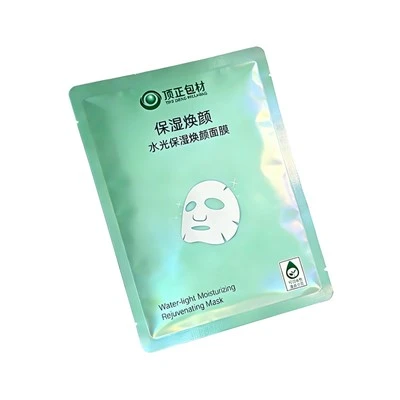
If you’re looking to switch up your corn packaging—whether you want to cut waste, extend shelf life, or just find a better fit for your business, reach out to chat. I’ve spent over a decade figuring out what works, and I can help you pick the right solution that fits your needs, not just a one-size-fits-all product. We don’t do fancy sales pitches, just real advice and packaging that does what it’s supposed to—keeps corn fresh, cuts waste, and makes your customers happy.
Innovative Packaging References
Kader, A. A. (2002). Postharvest Technology of Horticultural Crops. University of California Agriculture and Natural Resources.
Food and Agriculture Organization of the United Nations (FAO). (2019). Reducing Food Losses in Fresh Produce Supply Chains.
Sustainable Packaging Coalition. (2021). Corn-Based Packaging Materials: Performance and Environmental Impact.
US Department of Agriculture (USDA). (2022). Sweet Corn Packaging and Shelf Life Guidelines for Retail and Foodservice.
Hangzhou Tingzheng Packaging Co., Ltd.
Hangzhou Tingzheng Packaging Co., Ltd. is one of the most professional corn packaging manufacturers and suppliers in China, featured by quality products and good service. Please rest assured to buy bulk corn packaging made in China here from our factory. We also accept customized orders.
Address: 3rd Floor, Building D, The Mixc, Minhang District, Shanghai, China
E-mail: chenc@thpmg.com.cn
WebSite: https://www.tingzhengpackaging.com/
