Hey everyone, let’s cut to the chase—if you’re a facility manager, automation tech, or even the person who’s just in charge of keeping your plant’s production lines from throwing a random fit, you’ve probably stared at a dusty PLC cabinet before. Maybe you wiped it down last quarter, or maybe you’ve been putting it off because “it’s not causing issues… yet.” As a PLC cabinet supplier, I see this all the time, and let me tell you: dust isn’t just a “cosmetic problem” – it’s a quiet killer that ruins downtime budgets, tankers productivity, and even costs you repair fees way more than the 10 minutes it takes to clean the thing. Plc Cabinet
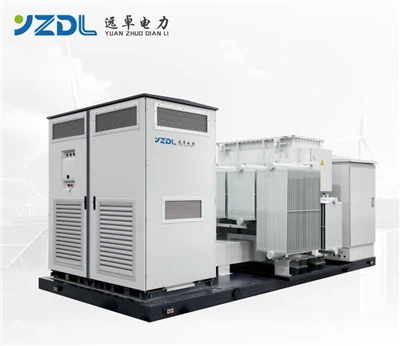
First off, let’s get real about what PLC cabinets are – they’re the brain of your whole operation, right? Whether you’re running a packaging line, a water treatment plant, or a manufacturing floor, that metal box stuffed with circuit boards, relays, power supplies, and those tiny, fragile chips is what keeps everything synced. Dust builds up here differently than, say, dust on a bookshelf. Industrial environments? You’ve got fine particulate matter: metal shavings from machining, cotton fibers from textiles, concrete dust from construction, even oily residue from conveyor belts. This isn’t regular household dust – it’s conductive, it’s absorbent, and it loves to clump in the gaps where your PLC’s parts actually need to breathe.
Let’s start with the most immediate headache: overheating. PLCs are built to run within a specific temperature range, usually 0 to 50 degrees Celsius, give or take. Their cooling systems – tiny fans, heat sinks, even the metal cabinet itself – work by letting air flow through the cabinet, pulling out hot air. But when dust coats those heat sinks, it’s like wrapping your laptop in a thick blanket and turning the fan on low. I’ve had clients come to us because their production lines started cutting out at midday, when the plant’s AC runs a little harder and the dust really heats up. A quick audit of their old cabinets showed heat sinks caked so thick with dust that the PLC’s internal temp spiked 15 degrees in 20 minutes. That’s not a “minor overheat” – that’s the processor throttling to keep from frying, which means slower line speeds, missed deadlines, and maybe even a full cabinet failure if you don’t catch it. And for anyone who knows industrial downtime? Every hour of unplanned downtime in a manufacturing plant can cost $10k to $100k, depending on the operation. Dust doesn’t just cause a blip – it’s a slow burn on your profits.
Next up, the stuff that’s way harder to catch until it’s too late: electrical faults. Remember I said industrial dust is conductive? A tiny bridge of dust between two circuit board pins that are millimeters apart? That’s all it takes to cause a short circuit. I once worked with a food processing plant that had their packaging line die overnight – turns out, a clump of flour and metal dust (from their can seaming process) had settled on the relay module inside their PLC cabinet, bridging two terminals. When the line kicked on at 6 a.m., it shorted out, fried the relay, and took the whole control system down. The repair bill? $8k for a new relay, plus $12k in lost production. And the kicker? The maintenance team had wiped the cabinet down once a year, not realizing that fine flour dust seeps through every gap in the cabinet’s gasket and builds up in the modules. It’s not just metal dust, either – even non-conductive dust can become conductive when it mixes with oil or moisture from the plant air. That mix turns it into a tiny, sticky conductor that’s basically waiting for a power surge to create a fault.
Then there’s corrosion, which is the long-game killer. Dust isn’t just sitting on the surface – it’s seeping into the cabinet’s crevices, coating the terminal blocks, the back of the circuit boards, and the edge connectors. Those are metal parts, right? Dust with salt or acid (common in coastal plants or areas with high pollution) eats away at those metals over time. Terminal blocks that should last 10 years start corroding in 3, because the dust layer holds moisture against the metal. The edge connectors – the tiny prongs that plug the PLC into its I/O modules – get pitted, so your signal becomes spotty. One client, a construction materials plant in a coastal area, had their PLC cabinet’s I/O modules start giving “false sensor readings” out of nowhere. They spent three months recalibrating sensors, rechecking wiring, until they finally opened the cabinet and saw the edge connectors were coated in salt dust corrosion. They had to replace three I/O modules, and even now, they have to replace one module a year instead of every five. That’s a recurring cost that adds up way more than the initial investment in a cabinet that’s sealed right.
Wait, let’s talk about sealing, since that’s our wheelhouse as cabinet suppliers. A lot of old cabinets (and even some cheap new ones) have gaskets that break down, or vents that are just open holes. I see this all the time: a plant buys a cheap cabinet to save $200, and three years later, they’re dealing with all the dust issues I just mentioned. We design our PLC cabinets with IP ratings, right? IP54 is standard for most industrial environments – that means they’re dust-resistant (no harmful dust penetration) and protected against splashing water. But even IP-rated cabinets need to have vents that are filtered, because air still has to flow for cooling. If you skip the filter maintenance, the filter clogs, then you’re back to the overheating problem. It’s a cycle, and it’s totally avoidable.
I get it – maintenance is a hassle. No one wants to add another task to the weekly to-do list. But dust-related issues aren’t just “clean once a month” – they’re preventable. Let’s break down the low-effort, high-impact steps: first, schedule a quarterly dust check for your PLC cabinets. It takes 15 minutes per cabinet – just pop the door open, wipe the visible dust off the heat sinks and modules, and check the vent filter. Second, if your current cabinet is old or not sealed, maybe it’s time to upgrade. A good, properly sealed PLC cabinet will keep 99% of harmful dust out, so you only need a quick wipe-down once every six months, not every week. Third, if you’re in a super dusty environment – like a lumber mill, metal shop, or textile plant – look into cabinets with higher IP ratings, or even sealed cabinet interiors that don’t rely on filtered vents. We do custom builds for those, actually, where the cooling is internal and the cabinet is fully sealed except for cable entry points that are properly sealed with glands.
Let’s also talk about the hidden cost of downtime. When a PLC cabinet fails because of dust, it’s not just the repair parts. You have to shut down the line, bring in a technician (at $150-$200 an hour), wait for the replacement part, and then test everything to make sure it’s working. For a plant that runs 24/7, that could mean 8 hours of downtime, and if you’ve got 10 lines, that’s $100k+ gone in a blink. I’ve had clients come to us after four dust-related failures in a year, and when we crunched the numbers, upgrading to properly sealed PLC cabinets saved them $50k a month in downtime and repair fees. That’s not a small number – that’s the cost of a bad choice vs. a good one.
Wait, is there any case where dust is actually good? I’ve heard that dust can insulate, but that’s only if it’s not trapping heat inside. No, in a PLC cabinet, dust is always a problem. Even in a clean, office environment, dust builds up on the power supply, which can shorten its lifespan. Power supplies are the backbone of the cabinet – if they fail, the whole PLC goes down. A power supply coated in dust will run hotter, so it dies years earlier than it should. We see that all the time: a power supply that’s supposed to last 7 years dies in 3, just because of dust buildup.
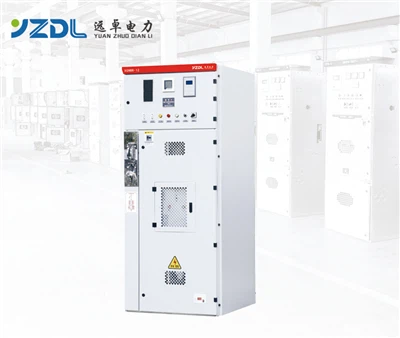
Let me wrap this up. Dust isn’t just a minor annoyance for your PLC cabinet – it’s a direct hit to your productivity, your budget, and the longevity of your automation system. As a PLC cabinet supplier, I’ve seen the good, the bad, and the ugly when it comes to dust-related issues. The solution isn’t to panic and clean your cabinet every day – it’s to invest in the right cabinet, keep up with basic maintenance, and not write off dust as something that “won’t happen to us.”
Plc Cabinet If you’re noticing random line shutoffs, spotty sensor readings, or higher repair bills than usual, don’t wait for a full cabinet failure to take action. We’d be happy to walk you through the right cabinet for your environment, help you set up a maintenance schedule, or even do a quick check of your existing cabinets to spot dust issues before they cause downtime.
References
- National Institute of Standards and Technology (NIST). (2022). Effects of Particulate Contamination on Industrial Control System Hardware. NIST Special Publication 1800-34.
- International Electrotechnical Commission (IEC). (2021). Standard for Enclosures for Low-Voltage Switchgear and Controlgear (IEC 60529).
- Manufacturing Extension Partnership (MEP). (2023). Unplanned Downtime Costs and Prevention Strategies. U.S. Department of Commerce.
Yuanzhuo Electrical Equipment (Jiangsu) Co., Ltd.
We’re well-known as one of the leading plc cabinet manufacturers and suppliers in China. We warmly welcome you to wholesale high quality plc cabinet at competitive price from our factory. If you have any enquiry about cooperation, please feel free to email us.
Address: Group 8, Chengdong Village, Fucheng Sub-district Office, Funing County
E-mail: markcheng1358@126.com
WebSite: https://www.yzdlchina.com/
