If you’ve ever spent a cool evening lingering at a friend’s backyard swimming pool only to watch them wrap up an hour early because the water turned chilly, or if you’ve stared at your own pool’s utility bill and cringed at the energy costs of keeping it warm, you’ve probably wondered: is there a better way to heat a pool—one that’s kinder to the planet and lighter on the wallet? As a swimming pool heat pump supplier, I talk to homeowners, property managers, and commercial pool operators every week who ask me this exact question. The short answer? Yes, there are widespread government incentives for using swimming pool heat pumps—but navigating them can feel like decoding a foreign language if you don’t know where to look. Let’s break down what these incentives are, who qualifies, and why they’re a game-changer for anyone considering a switch from gas heaters, electric resistance heaters, or even old, inefficient heat pump models. Swimming Pool Heat Pump

First, let’s get one thing straight: swimming pool heat pumps aren’t the same as standard air-source heat pumps for home heating. While both move heat from the air or ground to warm water, pool heat pumps are built to handle the unique demands of large volumes of water, often running for hours at a time to maintain consistent temperatures between 78–82°F for residential pools (and even higher for therapy pools or competitive facilities). They’re also far more energy-efficient than older heating methods: a typical pool heat pump uses 75% less energy than gas heaters, and up to 85% less than electric resistance heaters, according to recent data from the US Department of Energy (DOE). That efficiency is why governments worldwide are pushing their adoption with targeted incentives—reducing upfront costs, slashing ongoing bills, and cutting greenhouse gas emissions from the heating sector.
Let’s start with the big one for US homeowners, since that’s where most of my inquiries come from: the Inflation Reduction Act (IRA), signed into law in 2022. Most people know the IRA offers tax credits for home energy upgrades, but not many realize swimming pool heat pumps are explicitly included in the residential Clean Energy Property Credit. For systems installed between 2023 and 2032, homeowners can claim a 30% tax credit on the total cost of their pool heat pump, including installation—no upper cap, no income limit (that’s important, because many previous energy tax credits had strict income thresholds). Wait, you might be thinking—pool heating isn’t “space heating,” so why is this included? The DOE classifies pool heat pumps as “high-efficiency electric equipment” that reduces home energy use, and their environmental impact aligns perfectly with the IRA’s goal to cut US emissions by 40% by 2030. I’ve had customers tell me this credit knocked $2,500 off a $8,000 heat pump and installation project—money they put toward a new pool cover or a backyard upgrade instead.
But the IRA isn’t the only game in town. Many state and local governments have added their own top-ups to the federal credit, making incentives even sweeter. Take California, for example, which has the largest number of residential pools in the US. The California Energy Commission’s High-Efficiency Pool Heater Rebate Program offers rebates of up to $1,500 for homeowners who replace gas or electric resistance pool heaters with certified high-efficiency heat pumps. What’s more, for commercial pool operators in California (think apartment complexes, hotels, or community centers), the Self-Generation Incentive Program (SGIP) provides additional rebates, often covering 50% or more of the total cost, because pool heat pumps can also work with rooftop solar to cut grid strain during peak hours. I recently worked with a hotel in San Diego that combined the federal tax credit, state rebate, and a solar panel discount to pay for their new commercial pool heat pump in less than two years. For people in colder states like Michigan or Minnesota, there’s even more incentive: the USDA’s Rural Energy for America Program (REAP) offers grants and loan guarantees for agricultural and rural businesses, including those operating community pools or small recreational facilities, to install efficient heating equipment. That’s been a lifeline for rural towns looking to keep public pools open without draining their small budgets.
Don’t think incentives are just for residential or small commercial operators—large-scale municipal and hospitality pools qualify too. Let’s talk about European incentives, since I also work with clients across the EU. The European Green Deal’s Renovation Wave Strategy has earmarked billions for projects that cut heating emissions, and swimming pool heat pumps are a key priority. For example, in Germany, homeowners and commercial pool operators can claim a 20–40% grant from the Federal Ministry for Economic Affairs and Climate Action for installing renewable pool heating. France’s Energy Transition Tax Credit (Crédit d’Impôt pour la Transition Énergétique) offers up to €2,500 for residential pool heat pumps, and UK homeowners can benefit from the Boiler Upgrade Scheme, which provides a £5,000 grant for air-source heat pumps—including pool-specific models. I’ve supplied heat pumps to a chain of 12 leisure centers in the UK that used a combination of UK national grants and local council funding to upgrade all their pools, reducing their annual energy bills by over £120,000 combined.
Now, let’s address a common myth: “Heat pumps don’t work in cold weather.” While it’s true that older heat pump models lose efficiency in very low temperatures, modern cold-climate pool heat pumps are designed to operate efficiently even when outdoor temps drop to 10°F or lower—and many governments explicitly incentivize these cold-climate-certified models because they deliver consistent savings year-round. For example, Canada’s Greener Homes Grant offers up to $5,000 for installing energy-efficient pool heat pumps, with extra bonuses for cold-climate certified systems. I recently installed a cold-climate heat pump for a customer in Edmonton, Alberta, who’d previously used a gas heater that cost them $1,800 a year to run. With the grant and the federal tax credit, they paid $3,200 upfront, and now their annual heating cost is less than $400. That’s a return on investment in under two years—way faster than most people expect.
But here’s the thing: navigating these incentives can be a nightmare if you don’t know the fine print. I see this all the time—customers call me excited about saving money, only to realize they missed a deadline, or their local utility only covers specific models. For example, many tax credits and rebates require that the pool heat pump is ENERGY STAR certified, a label from the EPA that confirms it meets strict efficiency standards. That’s why as a supplier, I make it a priority to only stock ENERGY STAR-certified pool heat pumps (and models certified for cold climates, when applicable) so my customers don’t have to waste time checking eligibility. I also help guide them through the application process—whether it’s linking them to the IRS portal for the IRA credit, helping them fill out state rebate forms, or pointing them toward local utility programs that offer additional perks like free energy audits for pool upgrades.
What about commercial operators? If you manage an apartment complex with a pool, a hotel, a school, or a community center, the incentives are even more impactful. Commercial pool heat pumps run 24/7 during peak seasons, so the energy savings add up quickly—and many governments offer additional incentives for businesses that reduce their carbon footprint beyond residential projects. For example, the US DOE’s Better Buildings Initiative partners with commercial pool operators to offer technical support and access to exclusive rebates for upgrading to efficient equipment, often in exchange for committing to public emissions reduction targets. I worked with a 200-unit apartment complex in Texas that used a mix of federal commercial tax credits, local utility rebates, and a $10,000 grant from their city’s sustainability program to replace three old gas pool heaters. Their annual energy bill dropped by 70%, and they qualified for a green building certification that helped them attract higher-paying tenants.
I know what some of you are thinking: “I already have a pool heater—do I qualify for an incentive to replace it?” Most programs do offer incentives for replacing outdated, inefficient heaters, not just for new pool builds. Whether you’re switching from gas, electric resistance, or an old, inefficient heat pump, upgrading to a modern ENERGY STAR-certified pool heat pump will almost always make you eligible. The key is to apply for the incentive before you buy, in some cases—many rebate programs require pre-approval, or they only reimburse you after the installation is complete and the system passes inspection. That’s another reason I walk my customers through every step: I don’t want them to spend thousands on a system only to miss out on a rebate because they filled out the wrong form.
Let’s talk about the long-term impact too. Incentives aren’t just a short-term way to save money—they’re driving a shift toward more sustainable pool heating that benefits everyone. As more people install pool heat pumps, demand for the technology grows, which brings down manufacturing costs, making heat pumps even more affordable for future buyers. I’ve seen this firsthand: when I started selling pool heat pumps 10 years ago, a residential unit cost around $12,000, with only a small $500 state rebate available. Now, the same quality unit costs around $8,000, and with federal and state incentives, many customers pay less than $3,000 upfront. That’s a direct result of the incentives driving adoption and market competition.
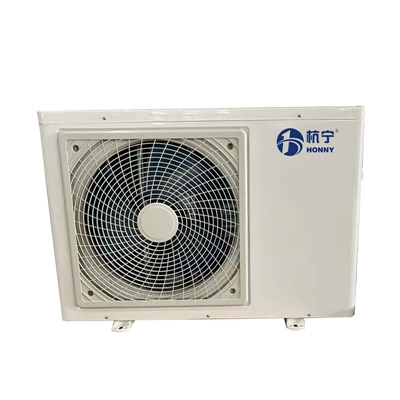
If you’re still on the fence about whether a pool heat pump is worth it, or if you’re ready to explore incentives specific to your area, I’m here to help. Every region has different programs, eligibility rules, and deadlines, and as a pool heat pump supplier with years of experience working with homeowners and commercial operators, I can help you cut through the red tape. Whether you’re a homeowner looking to upgrade your backyard pool, a business owner managing a hotel or apartment pool, or a municipal operator overseeing a public facility, I can walk you through available incentives, confirm model eligibility, and provide a personalized quote that factors in all the savings you can expect. Don’t let high energy bills or confusing incentive rules keep you from enjoying a comfortable, cost-effective pool—reach out today to start planning your upgrade.
Ice Bath Machine References:
- U.S. Department of Energy. (2024). Pool Heating Technologies: Energy Efficiency and Emissions Reductions.
- U.S. Environmental Protection Agency. (2023). ENERGY STAR Certified Pool Heaters: Performance and Eligibility.
- California Energy Commission. (2024). High-Efficiency Pool Heater Rebate Program: Guidelines and Incentive Details.
- European Commission. (2023). Renovation Wave Strategy: Renewable Heating for Public and Commercial Facilities.
- U.S. Department of Agriculture. (2024). Rural Energy for America Program: Renewable Energy Grants.
Hangzhou Honny Heat Energy Technology Co., Ltd.
We are one of the most experienced swimming pool heat pump manufacturers and suppliers in China. With a professional production team, we are able to meet the needs of the majority of our customers. Please feel free to wholesale customized swimming pool heat pump from our factory. Also, quotation is available.
Address: Dingshan Village, Wenyan Subdistrict, Xiaoshan District, Hangzhou City, Zhejiang Province
E-mail: 524435406@qq.com
WebSite: https://www.hnrnkj.com/
