Hey there! As a petroleum resin supplier, I often get asked about all sorts of technical details regarding our products. One question that comes up quite a bit is, "What is the hydroxyl value of petroleum resin?" Well, let’s dive right in and break it down. Petroleum Resin
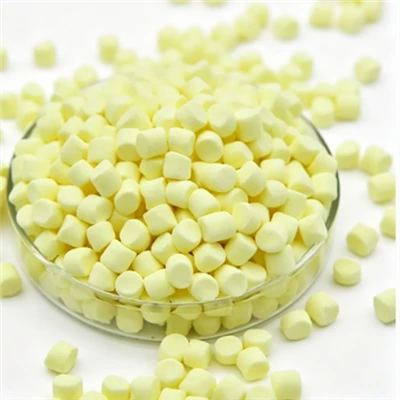
First off, let’s talk about what petroleum resin is in general. Petroleum resin is a kind of synthetic resin. It’s made from the by – products of petroleum cracking. These resins are super useful in a bunch of industries. You can find them in adhesives, coatings, inks, and even rubber products. They help improve the performance of these products, like making adhesives stick better or giving coatings a nicer finish.
Now, onto the hydroxyl value. The hydroxyl value is basically a measure of the amount of hydroxyl groups (-OH) in a substance. In the case of petroleum resin, it tells us how many of these hydroxyl groups are present in the resin. Why does this matter? Well, the hydroxyl groups can react with other substances. For example, in a coating system, they can react with isocyanates to form polyurethanes. This reaction can have a big impact on the properties of the final product, like its hardness, flexibility, and chemical resistance.
To understand how the hydroxyl value is determined, we need to look at the testing methods. There are a few different ways to measure it, but one of the most common is the acetylation method. In this method, the resin is reacted with acetic anhydride in the presence of a catalyst. The unreacted acetic anhydride is then hydrolyzed, and the amount of acetic acid produced is measured. Based on this measurement, we can calculate the hydroxyl value.
Let’s think about how the hydroxyl value affects the performance of petroleum resin in different applications.
In Adhesives
In the adhesive industry, the hydroxyl value can play a key role in the adhesion strength. When the petroleum resin has a higher hydroxyl value, it can form stronger hydrogen bonds with substrates. This is because the hydroxyl groups are highly polar, and they can interact with other polar molecules on the surface of the materials being bonded. For example, if you’re trying to bond a piece of plastic to a metal surface, a resin with an appropriate hydroxyl value can create a stronger bond between the two. This can lead to better adhesion and a more durable adhesive joint.
In Coatings
For coatings, the hydroxyl value is crucial for the cross – linking process. As I mentioned earlier, the hydroxyl groups can react with isocyanates to form polyurethanes. A coating with a well – controlled hydroxyl value will have the right balance of cross – linking. If the hydroxyl value is too low, there won’t be enough cross – linking, and the coating may be soft and lack durability. On the other hand, if the hydroxyl value is too high, the coating may become too brittle. The key is to find that sweet spot. Different coating applications will require different hydroxyl values. For example, a high – performance industrial coating may need a higher hydroxyl value compared to a decorative coating.
In Inks
In the ink industry, the hydroxyl value can affect the solubility and viscosity of the ink. Resins with a certain hydroxyl value can dissolve better in the ink solvents, which is important for a smooth and consistent ink formulation. Also, the hydroxyl groups can interact with the pigments in the ink, helping to disperse them evenly. This leads to better color development and print quality. If the hydroxyl value is off, the ink may have problems like settling or poor printability.
We, as a petroleum resin supplier, take the hydroxyl value very seriously. When we’re producing our resins, we have strict quality control measures in place to ensure that the hydroxyl value is within the specified range. Our R & D team is constantly working on optimizing the production process to get the best possible hydroxyl value for different applications.
We understand that every customer’s needs are different. Some may need a petroleum resin with a high hydroxyl value for a specific coating application, while others may require a lower value for a different use. That’s why we offer a wide range of petroleum resins with different hydroxyl values. We can also provide customized solutions based on our customers’ requirements.
If you’re in the market for petroleum resin, whether you’re in the adhesive, coating, ink, or rubber industry, we’re here to help. Our team of experts can assist you in choosing the right resin with the appropriate hydroxyl value for your application. We can provide samples for you to test and see how our products work in your processes.
Don’t hesitate to reach out to us if you have any questions about petroleum resin or the hydroxyl value. We’re always happy to have a chat and help you find the best solution for your business. Whether it’s a small – scale project or a large – scale industrial application, we’ve got you covered.
In conclusion, the hydroxyl value of petroleum resin is an important parameter that can significantly impact the performance of the resin in various applications. As a reliable petroleum resin supplier, we’re committed to providing high – quality products with well – controlled hydroxyl values. So, if you’re looking for a partner in the petroleum resin industry, give us a shout. We’re ready to start a great business relationship with you.
Processing Aid References
- "Handbook of Petroleum Resins" by some well – known resin experts.
- Industry research papers on the application of petroleum resins in different fields.
Heze Great Bridge Chemical Co., Ltd.
With abundant experience, we are one of the most professional petroleum resin manufacturers and suppliers in China. We warmly welcome you to buy high quality petroleum resin in stock here and get pricelist from our factory. Good service and reasonable price are available.
Address: No.1679 Renmin Road,Heze City,Shandong,China
E-mail: export@greatbridge-chem.com
WebSite: https://www.greatbridgechem.com/
