As a supplier of low – voltage power cables, I am often asked about the environmental friendliness of our products. In today’s world, where environmental concerns are at the forefront of many discussions, it’s crucial to understand how low – voltage power cables fit into the sustainability picture. Power Cable Low Voltage
The Manufacturing Process and Its Environmental Impact
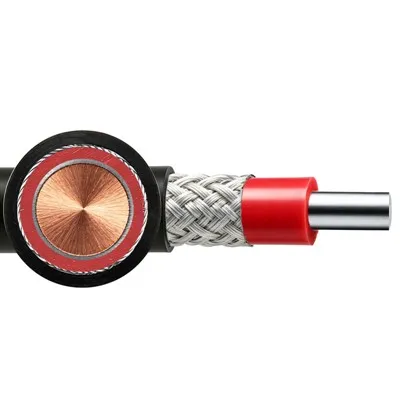
Let’s start by looking at the manufacturing process of low – voltage power cables. The primary materials used in low – voltage cables typically include copper or aluminum conductors, insulation materials such as polyethylene (PE), polyvinyl chloride (PVC), or cross – linked polyethylene (XLPE), and protective sheaths.
Copper and aluminum mining and refining have significant environmental impacts. Copper mining, for example, can lead to deforestation, soil erosion, and water pollution. The energy required for refining these metals is also substantial. However, many cable manufacturers, including those in our industry, are taking steps to source these materials more responsibly. Some are using recycled copper and aluminum, which reduces the need for new mining. Recycling metals not only conserves natural resources but also consumes less energy compared to primary production. For instance, recycling copper uses up to 85 – 90% less energy than mining and refining new copper.
Insulation materials also play a role in the environmental profile of low – voltage cables. PVC has been a popular choice for insulation due to its low cost and good electrical properties. However, PVC production involves the use of chlorine, and during its disposal, especially through incineration, it can release toxic dioxins. In contrast, PE and XLPE are considered more environmentally friendly. PE is a thermoplastic that is relatively easy to recycle, and XLPE, which is cross – linked, has excellent electrical and mechanical properties and is also more resistant to environmental degradation.
Energy Efficiency and Environmental Benefits
One of the significant environmental advantages of low – voltage power cables is their contribution to energy efficiency. Low – voltage cables are designed to minimize power losses during transmission. When power losses are reduced, less energy is wasted, which in turn reduces the demand for electricity generation. This is particularly important as a large portion of electricity generation still relies on fossil fuels, which are major contributors to greenhouse gas emissions.
For example, in a building or an industrial facility, using high – quality low – voltage power cables can lead to significant energy savings over time. These savings not only reduce the environmental impact but also result in cost savings for the end – users. By ensuring that the cables have low resistance and are properly installed, we can maximize the efficiency of power distribution systems.
Lifecycle Assessment of Low – Voltage Power Cables
A comprehensive way to evaluate the environmental friendliness of low – voltage power cables is through a lifecycle assessment (LCA). An LCA takes into account all stages of a product’s life, from raw material extraction, manufacturing, use, and finally, disposal or recycling.
During the use phase, as mentioned earlier, low – voltage cables contribute to energy efficiency. However, at the end of their useful life, proper disposal or recycling is essential. Many low – voltage cables can be recycled. The conductors can be recovered and reused, and in some cases, the insulation materials can also be recycled. Recycling cables reduces the amount of waste going to landfills and conserves resources.
Some companies are also exploring ways to extend the lifespan of low – voltage cables. By improving the quality of the materials and the manufacturing process, cables can last longer, reducing the frequency of replacement and thus the overall environmental impact.
Regulatory and Industry Initiatives
The cable industry is subject to various environmental regulations. These regulations aim to reduce the environmental impact of cable production, use, and disposal. For example, the Restriction of Hazardous Substances (RoHS) directive restricts the use of certain hazardous materials in electrical and electronic equipment, including power cables. This has led to the development of cables that are free from substances such as lead, mercury, cadmium, and hexavalent chromium.
Industry associations are also promoting sustainable practices. They encourage members to adopt environmentally friendly manufacturing processes, source materials responsibly, and improve the recyclability of their products. These initiatives are helping to drive the industry towards a more sustainable future.
Challenges and Areas for Improvement
Despite the many environmental benefits of low – voltage power cables, there are still challenges that need to be addressed. One of the main challenges is the proper disposal and recycling of cables. In some regions, the infrastructure for cable recycling is limited, which means that many cables end up in landfills. This not only wastes valuable resources but also poses environmental risks, especially if the cables contain hazardous materials.
Another challenge is the continued use of less environmentally friendly materials in some cable products. Although there is a trend towards using more sustainable materials, some manufacturers may still choose to use PVC or other materials with higher environmental impacts due to cost considerations.
Conclusion and Call to Action
In conclusion, low – voltage power cables can be environmentally friendly, especially when considering their energy – saving potential, the use of recycled materials, and proper disposal and recycling. However, there is still room for improvement in the industry.
As a supplier of low – voltage power cables, we are committed to promoting environmental sustainability. We source our materials responsibly, invest in research and development to improve the environmental performance of our products, and support initiatives for proper cable recycling.
Cable Assemblies & Accessories If you are in the market for low – voltage power cables and are concerned about the environmental impact, we invite you to contact us for a discussion. Our team of experts can provide you with detailed information about our products, their environmental features, and how they can meet your specific needs. We look forward to working with you to create a more sustainable future.
References
- "Recycling of Copper and Its Alloys" by the Copper Development Association.
- "Lifecycle Assessment of Electrical Cables" by the International Cablemakers Federation.
- "RoHS Directive: Implications for the Cable Industry" by the European Union.
Yangzhou Huayu Cable Co., Ltd.
Yangzhou Huayu Cable Co., Ltd. is one of the most professional power cable low voltage manufacturers and suppliers in China, also supports customized service with low price. Please feel free to wholesale advanced power cable low voltage made in China here from our factory. Contact us for pricelist.
Address: No. 9 Jingang Road, Yangzhou City, Jiangsu Province, China
E-mail: huayucableco@126.com
WebSite: https://www.huayucabletech.com/
