If you’ve ever stood next to a piece of industrial machinery that suddenly seized up mid-shift, or waited for days for a production line to restart after an unplanned downtime event, you’ve likely wondered what went wrong. As a lubrication system supplier with 17 years in the game, I’ve seen the same frustrating, avoidable failures play out hundreds of times. I’ve worked with mining fleets in the Rockies, food processing lines in the Midwest, and wind farms along the Great Lakes, and one thing holds true: 90% of lubrication system failures aren’t random. They’re the result of small, overlooked missteps that snowball into catastrophic downtime. Today, I want to break down the most common causes I’ve observed—no complex jargon, just real-world lessons I’ve picked up on the job. Lubrication System
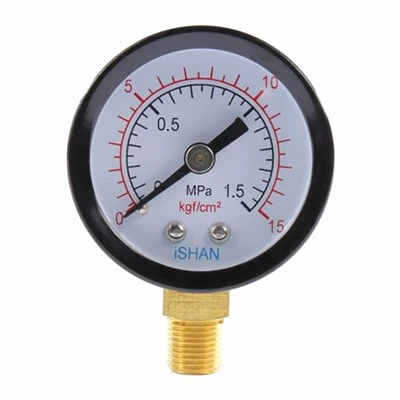
Let’s start with the most pervasive issue I see: incorrect lubricant selection. This isn’t just picking the first oil off the shelf, either. Most modern machinery is designed to run on a very specific viscosity grade, formulated with anti-wear additives, corrosion inhibitors, and oxidation stabilizers tailored to its operating conditions. A few years back, we worked with a mid-sized aggregate company that had been using a general-purpose gear oil in their 12-ton jaw crushers. Their maintenance team had saved $0.80 per gallon by skipping the OEM-specified extreme pressure (EP) gear oil, and for six months, it worked fine—until a cold snap hit the Rockies hard. The general-purpose oil thickened when temperatures dropped below 10°F, starving the crusher’s bearings of consistent lubrication. Within a week, three main bearings seized, costing the company $47,000 in parts, emergency service, and three days of lost production. The kicker? If they’d just matched the lubricant to the load, temperature range, and speed of their equipment, that failure would have never happened. I can’t tell you how many times I’ve heard maintenance teams say “it’s just oil” or “this oil worked in my truck, why not my machine?” but industrial lubrication is a specialized science, not a one-size-fits-all product.
Next on the list: poor lubricant quality and contamination. Even the best gear oil or grease is useless if it’s been diluted, mixed with the wrong fluid, or contaminated with debris during storage or handling. I once visited a steel mill that had replaced their bulk lubricant storage tanks without proper cleaning. When they filled the new tanks with new hydraulic oil, residual metal shavings and old sludge from the construction process mixed in. Over three months, those metal particles wore down pump seals and scratched cylinder walls, leading to 18 unplanned shutdowns in that quarter. Contamination isn’t just solid dirt, either—water is a silent killer. If you’ve ever seen grease turn gray, lumpy, or emulsified, that’s water breaking down its structure, robbing it of its ability to protect parts from wear. Another common contamination issue is cross-contamination from mixing incompatible lubricants. We’ve seen cases where a maintenance tech added a synthetic grease formulated for high temperatures to a machine that required a lithium-complex grease, and the two reacted to form a sludge that clogged the system’s inline filters within 48 hours. The key here is proper storage: bulk tanks should be sealed, filtered during transfer, and tested quarterly for water content and particle count. Individual grease cartridges should be inspected for damage before use, and never open a cartridge until you’re ready to apply the lubricant.
Third, and often overlooked: incorrect lubricant application. Even if you have the perfect lubricant, if you’re not applying it at the right volume, frequency, or location, you’re going to have problems. I’ve worked with many teams that either over-lubricate or under-lubricate, both of which cause issues. Under-lubrication is obvious in extreme cases, but subtle under-lubrication (applying half the required amount during routine checks) leads to gradual wear that builds up over months. Over-lubrication is just as bad—excess grease or oil builds up heat, traps moisture against seals, and can actually cause more wear than not lubricating at all. For example, a conveyor system we service had a maintenance team that greased the drive bearings every 100 hours, but they were pumping in too much grease each time. Within a year, the excess grease had pushed past the seals, mixed with dust from the quarry, and created a gritty paste that eroded the bearing surfaces. By the time they noticed, the entire conveyor drive needed replacement. Modern automated lubrication systems can solve this, too—they deliver a precise, consistent amount of lubricant at set intervals, eliminating human error from application frequency and volume. I always tell clients: if you’re still lubricating by hand, you’re leaving room for mistake.
Fourth: neglected system maintenance. Lubrication systems themselves need maintenance, too—they’re not a set-it-and-forget-it component. That means inspecting and replacing filters on schedule, checking lines for clogs, and monitoring pump pressure. I saw a critical failure at a paper mill last year that started with a clogged suction line on their central lubrication pump. The line had accumulated sludge over time, restricting oil flow to the mill’s large drying rollers. By the time the pressure sensor on the system triggered an alert, the rollers had already seized, damaging the rubber covers and causing a shutdown that cost $120,000. The maintenance team had skipped a scheduled line inspection because they were short-staffed that month, and that small clog turned into a major disaster. Another common maintenance misstep is ignoring worn seals on lines or fittings. A small leak might seem like a minor annoyance, but it can lead to low lubricant levels, air getting into the system, and even pressure fluctuations that disrupt the entire lubrication supply. Simple, regular checks—weekly line inspections, monthly filter replacement, quarterly pump performance tests—can catch 90% of these issues before they become failures.
Fifth: operational and environmental stress that outpaces system design. Even the best lubrication system can fail if the machine is operating outside its design parameters. For example, a wind turbine lubrication system designed for moderate wind speeds will struggle if it’s consistently exposed to hurricane-force gusts that put extra load on the gearbox. Or a pump in a food processing plant that’s run 24/7 at double its rated speed, just to meet increased production demands, will wear out its lubricant and components much faster than intended. Environmental factors play a role here too: extreme cold, high heat, or excessive dust or moisture. A mining operation in Arizona we work with had a central lubrication system that wasn’t sealed properly to keep out fine silica dust. The dust got into the oil, accelerated wear, and forced them to replace the entire lubrication system two years ahead of its expected lifespan. The solution here isn’t just to upgrade the lubricant, but to adjust the system to handle the stress—adding better filtration, sealing lines, and even upgrading to a lubricant formulated for extreme environmental conditions.
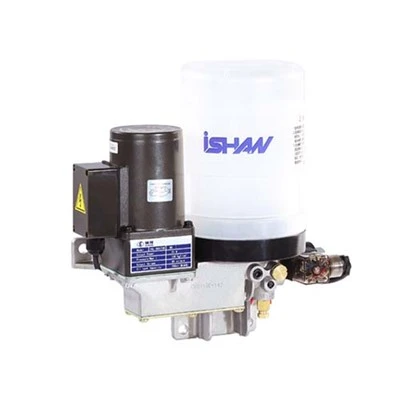
I’ve learned over the years that every time a lubrication system fails, the root cause isn’t bad lubricants or bad machines—it’s a gap in attention to detail. Most of the failures I’ve seen are completely avoidable, and that’s why I’m passionate about working with clients to build and maintain reliable lubrication systems. If you’re dealing with unplanned downtime due to lubrication issues, or if you want to upgrade your system to prevent future failures, our team can help you assess your current setup, recommend the right lubricants and equipment, and create a routine maintenance plan tailored to your specific operations. We don’t offer one-size-fits-all solutions—every machine, every site, and every challenge is unique, and we work with you to find the right fit. If you’re ready to stop dealing with preventable lubrication failures and get your operations running smoothly, don’t hesitate to reach out and connect with our procurement team to start a conversation.
Lubrication Joint References
- American Society of Mechanical Engineers (ASME). (2021). Lubrication Best Practices for Industrial Machinery. ASME Press.
- International Organization for Standardization (ISO). (2019). ISO 12900: Petroleum Products and Lubricants — Classification of Industrial Gear Oils. ISO.
- Society of Tribologists and Lubrication Engineers (STLE). (2022). Contamination Control Handbook for Industrial Lubrication Systems. STLE.
- The Lubrication Engineers Association (LEA). (2020). Root Cause Analysis of Industrial Lubrication System Failures. LEA Technical Report Series.
- Occupational Safety and Health Administration (OSHA). (2021). Maintenance Guidelines for Industrial Lubrication Systems. OSHA Technical Manual.
Sunshine Machinery Co., Ltd.
As one of the most professional lubrication system manufacturers and suppliers in China, our products have good reputation in the market. Please rest assured to buy durable lubrication system made in China here from our factory. For price consultation, contact us.
Address: No.852, Qingfeng South Road (South), Tongxiang City, Zhejiang Province
E-mail: export@ishan.com.cn
WebSite: https://www.ishanlube.com/
