Hey everyone, it’s Jake from the wire mesh supply team here – you know, the guy who gets DMs every week from builders, fabricators, and DIYers asking, “Is wire mesh even easy to weld?” Today I’m breaking this down, no fancy industry jargon, just the real talk I give every single customer who’s staring at a stack of mesh rolls and a MIG welder in their garage or job site. Wire Mesh
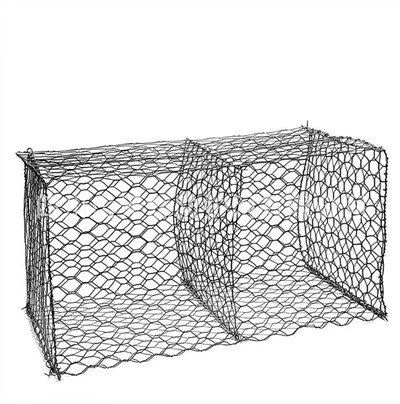
First off, let’s cut to the chase: wire mesh welding isn’t one-size-fits-all. It’s way less scary than it sounds for most people, but it depends on three big things – the type of mesh you’re working with, the tools you’ve got on hand, and how much practice you actually have. I see folks mess this up all the time: they grab a random welder from their shed, don’t test a scrap piece, and end up with wonky welds that break in 2 weeks. That’s avoidable, promise.
Let’s start with the most common wire mesh people ask about: carbon steel welded wire mesh. This is the stuff we sell most of – it’s used for fence panels, concrete reinforcement, garden planter frames, even DIY raised beds. Carbon steel is super weld-friendly, full stop. Wait, but why? It’s low in alloy content, so it melts evenly at a consistent temp, which is exactly what you want for a clean, strong weld. I’ve had a weekend DIYer with a cheap 110V MIG welder knock out a whole run of fence mesh for his backyard in an afternoon. That’s totally doable. But here’s the tiny secret most YouTube tutorials skip: you have to pick the right wire gauge. If you’re working with 16-gauge mesh (thin, flimsy, easy to bend), that’s where the cheap welder works, but if you’re on 6-gauge (thick, heavy-duty, for concrete foundations or driveway edging), you might need a 220V unit to get enough heat to fuse the wires all the way through. No one likes a half-baked weld that snaps when you step on it, right?
Now, what about the mesh that gives people headaches? Stainless steel wire mesh. Yeah, that’s the one you’ll use for food processing equipment, outdoor architectural panels, or marine applications (saltwater doesn’t mess with it). Is it harder to weld? Sort of, but not impossible. The problem with stainless is its thermal expansion – it expands way more than carbon steel when it heats up, so if you weld too fast or don’t clamp it down tight, the mesh will warp like a pizza left in the sun. Also, it’s prone to porosity if you don’t use the right shielding gas. Most DIYers grab regular CO2 for their MIG, but stainless needs a mix of argon and CO2 (like 75/25) to stop those little tiny holes from forming in the weld. I tell customers starting out: save the stainless mesh for projects you care about, practice on scrap pieces first, and maybe borrow a friend’s welder if yours only does 110V, because stainless needs a bit more oomph.
Then there’s galvanized wire mesh – the one with that shiny, zinc coating that stops rust. This is a huge one because I get so many questions about it, and it’s where most people run into trouble fast. The zinc coating is toxic when it melts, right? If you weld galvanized mesh without prepping it first, you’ll get that gross, fume-y smoke that makes you cough like you smoked a whole pack of cigarettes, plus the welds will be super weak because the zinc is messing with the fusion. So how do you fix that? Two easy ways. First, you can use a flux-core MIG wire – that self-shielding stuff that doesn’t need gas – because the flux acts as a barrier to the zinc fumes. Second, you can grind off the zinc coating where you’re going to weld, which takes an extra 2 minutes per spot but makes the weld way stronger. I’ve seen guys skip the prep and end up with welds that rust within a month – not cool, especially for fence mesh that’s supposed to last 10+ years. That prep step is non-negotiable for galvanized.
Wait, let’s talk about tools, because half the “welding wire mesh is hard” complaints come from bad tools, not the mesh itself. You don’t need a top-of-the-line $10k industrial welder, but you do need something that can handle the wire gauge you’re using. For thin 16-18 gauge mesh: a 110V MIG welder works fine, as long as it has a “low amp” setting – crank it too high and you’ll burn a hole right through the mesh. For medium 10-12 gauge: still 110V if it’s a good unit, but stay under 150 amps. For thick 6-8 gauge: 220V is way better, no question. Stick welding is another option, but MIG is way more beginner-friendly for wire mesh because you get better control over the heat. And don’t forget clamps! I can’t stress this enough – wire mesh is wobbly, if it moves when you weld, you’ll get uneven spots. Grab a few C-clamps or even big binder clips (for super thin mesh) to hold all the crossing wires tight before you hit the trigger.
Now, what if you’re dealing with woven wire mesh? Wait, a lot of people mix up welded and woven mesh – that’s a whole other ballgame. Woven mesh is the stuff with crimped wires that interlock, not spot-welded at every cross point. Is that easier to weld? No, actually – the wires aren’t fixed in place, so they shift when you try to clamp them down. Most people end up tacking the mesh every few inches first to hold it steady, then going back and welding the cross points. Welded mesh is way simpler for beginners because the wires are already stuck where they need to be. If you’re new to this, start with welded mesh, skip the woven stuff until you get the hang of welding.
Let’s get real about common mistakes I see every week, because that’s what makes people think welding wire mesh is hard. First, not testing scrap. I always tell customers to grab a foot of scrap mesh from their order (or bring a piece to the hardware store if you’re buying local) and practice a few welds before touching their actual project. That way you can adjust the amp setting, check if the fumes are too bad, and figure out how fast you need to move before you ruin a $50 mesh roll. Second, welding too many cross points at once. Newbies want to weld every single intersection, right? But for most projects (like a fence), you only need to weld every 2-3 crossings. Welding too many will just make the mesh stiff and impossible to bend if you need it to curve around a post. Third, not wearing the right gear. Welding is welding – you need a helmet, gloves, long sleeves, no shorts. I’ve seen guys weld in tank tops and get burned, don’t be that person.
Wait, what about mesh for concrete reinforcement? That’s the heavy 4-6 gauge stuff, used in driveways and slab floors. Is that easy to weld? If you’ve got a 220V welder and a bit of experience, yes. But a lot of construction crews actually use wire ties instead of welding for this, because it’s faster for big runs. But if you need a permanent, heavy-duty bond (like for a custom concrete countertop), welding is perfect. I’ve had a custom stone fabricator weld mesh for a 10-foot concrete vanity, and it held up great. Just make sure you’re using a welding rod or wire rated for structural use, not the cheap stuff from the dollar store.
Now, let’s talk about when it’s not worth welding. If you’re working with super thin 20-gauge mesh, like the stuff used for screen doors, welding can be tricky because you’ll burn through it before you get a good weld. For that, wire ties or even a heavy-duty staple gun works better. Or if you’re dealing with mesh made of exotic alloys, like aluminum mesh for aerospace or marine use, that’s a whole different process – you’ll need a TIG welder, which is way harder to learn. For 90% of the mesh we supply to regular folks and small businesses, welding is totally doable.
So to circle back to the original question: Can wire mesh be welded easily? The short answer is yes – if you match your mesh type to your tools, do a little prep, and practice a tiny bit. It’s not brain surgery, but it’s not like using a glue gun either. The biggest mistake people make is jumping in without doing their research, and that’s what leads to bad results.
If you’re not sure where to start, my team and I are always here to help. We sell all types of wire mesh, from thin garden mesh to heavy-duty concrete stuff, and we don’t just drop-ship rolls – we give real advice. Need to know what welder works best for your mesh? We’ll tell you. Have a project that needs a special type of mesh? We can hook you up. Don’t guess, don’t waste time on bad tutorials – hit us up whenever you’re ready to talk about your order.
Wait, one last tip before I sign off: If you’re a total beginner, start small. Don’t take on a whole fence project first. Practice on a 1×2 foot piece of mesh, get the welds right, then move to bigger stuff. I promise it’s way less intimidating once you get that first good weld under your belt.
Cable Tray Oh right, references for all the science stuff I mentioned, just to keep this real:
- AWS Welding Handbook, Volume 2: Welding Processes, American Welding Society
- Galvanized Steel Welding Guidelines, International Galvanizing Association
- Wire Mesh Selection and Welding Best Practices, Fabricators & Manufacturers Association International
Hebei Shenyi Metal Products Co., Ltd.
Hebei Shenyi Metal Products Co., Ltd. is one of the most professional wire mesh manufacturers and suppliers in China, featured by quality products and good service. Please rest assured to wholesale durable wire mesh in stock here and get free sample from our factory. Customized orders are welcome.
Address: Gengtun Industrial Zone, Gengtun Village, Xiliangwa Township, Anping County, Hengshui City, Hebei Province
E-mail: HBshenyi@outlook.com
WebSite: https://www.shenyimetal.com/
