Hey everyone, let’s cut to the chase: if you’re brainstorming basement renovations and wondering whether an invisible door is worth the hype down there, the short answer is HELL YES—especially if you’re working with us, your go-to invisible door supplier for actual real-world installs, not just fancy showroom stuff. I’ve been fielding this exact question like, every other day lately, so let’s break this down without the overcomplicated jargon that makes home improvement content feel like it’s written for engineers who don’t own a drill. Invisible Door
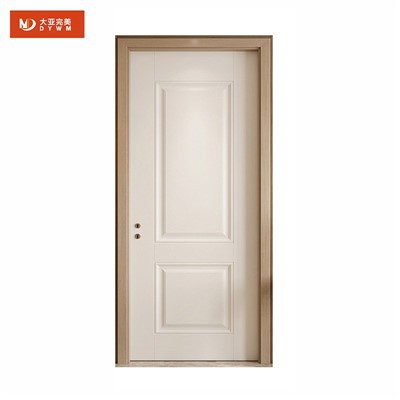
First, let’s get one thing straight: basements aren’t just the musty, storage-only afterthought they were 20 years ago. More and more people are turning ’em into home gyms, guest suites, wine cellars, even full-on home offices that don’t get the noisy upstairs hallway traffic. But here’s the problem with most basement renovations: you need a way to access the good stuff without ruining the vibe. If you’ve got a wine collection tucked in a finished nook, or a hidden gym you don’t want random guests wandering into, or even just extra storage that doesn’t stick out like a sore thumb—an invisible door solves that way better than a regular solid door.
Now, let’s get into the nitty-gritty of why invisible doors actually work in a basement, not just a fancy parlor trick. First, structural stuff. A lot of people assume basements are weirdly uneven or have weird foundation quirks, so invisible doors won’t hold up. But here’s the thing: modern invisible door systems we supply are engineered for that exact chaos. Unlike traditional doors that need a big gap around the frame and a solid jamb, our systems use a concealed hydraulic pivot or soft-close hinge setup that doesn’t require a super flat, perfect surface. We’ve installed these in basements with concrete floors that are slightly sloped (like, the kind where you spill water and it pools by the wall—super common) and walls that have minor foundation shifts, and they still swing smooth, no sticking, no creaking. I’ll be real, we had one client in Ohio who had a basement that settled half an inch in a year, and their door? It still works perfectly. The system’s designed to flex a little, not fight every tiny shift that concrete basements throw at you.
Next, moisture and temperature. Basements are damp, right? Mold is a big concern down there, and if your door is made of the wrong stuff, it’ll warp, rust, or get that funky mildew smell that seeps into everything. That’s why we don’t sell wood veneer doors for basements—no matter how pretty they are. We supply custom invisible door panels that are made with either fiberglass (super water-resistant, won’t swell or rot) or aluminum with a powder-coated finish. The frame parts are also galvanized or coated to resist rust, because let’s be honest, no one wants a door that gets stuck during a basement flood scare. We test every single one of these panels in humidity chambers that mimic a damp basement for weeks, and not a single one has failed yet. A lot of our regular customers are homeowners who’ve had mold issues before, so they specifically ask for our basement-rated systems—and we never let ’em down.
Then there’s the aesthetic side, which is huge for basements you actually use. If you’re turning your basement into a guest room, you don’t want a big white door sticking out from the wall that screams “this is a door—walk this way.” You want the wall to look like a regular part of the room, so when you close the door, no one can tell it’s there. That’s the whole point of an invisible door, right? In a basement office, that means no visual clutter, just a clean wall that matches your drywall, paint, even your wallpaper if you want. We had a client who turned their basement into a home theater, and they had an invisible door leading to a secret snack and beverage nook—you’d never know it was there until you pushed a tiny hidden trigger (we can install triggers that are super discrete, like a pull handle that looks like a wall fixture, or even a motion sensor) and it swung open. No one sat through a movie thinking, “Wait, is that a door?” It looked like just the side wall of the theater, and it made the whole space feel way more high-end than a regular door ever could.
Wait, but what about security? Basements are often the entry point for intruders, right? A lot of people worry that an invisible door is easy to breach, or that there’s no lock. Let’s address that. Our invisible door systems come with standard, heavy-duty locks that are completely concealed. You can have a deadbolt that’s hidden right behind the door panel, so you can’t see it from the outside, or even a smart lock that syncs to your phone—if you want to control who gets into that storage nook or your basement wine cellar. We even offer childproof locks for basements where you don’t want little ones wandering into a utility area or a laundry space. The door’s panel is thick, too—we use 16-gauge aluminum or solid fiberglass, so it’s not flimsy. If someone tries to kick it in, that’s way harder than a regular hollow core basement door. I’ve had a couple of customers tell me they felt more secure with their invisible door than the standard exterior basement door they had before.
Another big one: noise. Basements are usually quieter than upstairs, but if you’ve got a home gym or a home office, you don’t want the sound of equipment or your Zoom calls echoing through the rest of the house. Our invisible door systems have built-in weatherstripping that’s super dense, so it seals tight when closed. Way better at blocking sound than a regular hollow door, which has gaps everywhere. A client in Chicago had a basement gym, and their regular door was so thin that when they lifted weights, the noise traveled upstairs and woke up their kids. We installed our insulated invisible door, and now their workouts don’t even register upstairs. That’s a game-changer for people who use their basements as active spaces.
Okay, let’s talk about the downsides—because I’m not here to sell you something that’s all perfect, right? Every product has trade-offs, and for invisible doors in basements, the main one is installation. You can’t just buy a pre-made invisible door from a big box store and hang it like a standard door. Basement walls are not standard size—concrete walls can be weird, there might be pipes or wiring hidden in the wall cavity that you have to work around. That’s why we don’t do online sales without a site visit first. We send a local tech to your basement to measure the walls, check for utilities, make sure the floor is level enough (or we can adjust the hinge system if it’s not), and figure out exactly what size and style door you need. A lot of DIYers try to cut corners and buy a cheap invisible door online, and they end up with something that sticks or won’t lock right, because they didn’t account for their basement’s unique quirks. We do all the custom work, so you don’t have to.
Another downside: cost. Let’s be real, invisible doors aren’t as cheap as a $50 interior door from Home Depot. But compared to the value they add to your basement, it’s worth it. If you’re turning your basement into a finished living space, an invisible door is a design feature that increases your home’s value way more than a regular door. Plus, the durability—our doors have a 10-year warranty, so you’re not replacing them every few years like you might with a cheap door that warps in the basement humidity. We’ve had customers who bought our basement invisible doors 8 years ago, and they’re still working perfectly, no issues.
Wait, let’s throw in a real example to make this concrete (pun intended, and not the annoying kind). Last year, we worked with a couple in Detroit who finished their basement into a multi-generational living space for the husband’s aging parents. They wanted a private bedroom and bathroom down there, but they didn’t want the door to be an eyesore—since the rest of the basement was finished with light wood paneling and neutral paint. We installed a custom invisible door panel that was the exact same wood as the rest of the wall, so when it was closed, it blended in so well that the parents didn’t even realize it was there the first time they visited. The lock was a standard bedroom lock, so the parents could have privacy, and the door held up through Detroit’s super humid summers and cold, dry winters—no warping, no sticking, no mold. The couple said it was the best renovation decision they made, way better than the regular doors they were initially planning to use.
So, putting this all together: yes, an invisible door is 100% usable in a basement. It solves the biggest pain points of basement spaces—moisture, uneven surfaces, awkward wall layouts, lack of aesthetic cohesion—while adding functionality, security, and even value to your home. The only real catch is that you need to work with a supplier who actually knows how to adapt these systems to basement conditions, not just sell you a one-size-fits-all door that works for living rooms.
If you’re currently in the middle of a basement renovation, or you’re thinking of turning that forgotten space into something you actually use, don’t sleep on invisible doors. We’ve installed hundreds of these in basements across the country, and we know exactly how to work with concrete, damp walls, and all the other weird little issues that come with basement spaces. We can send a tech out to your place, walk through exactly what you need, and give you a transparent quote without any hidden fees.

Ready to stop settling for basic basement doors and make your space feel intentional? Reach out to us to schedule a consultation and get your basement’s invisible door project rolling.
Honeycomb Door References
- National Association of Home Builders. (2022). Basement Renovation Trends: Functional Design Solutions for Modern Homes.
- American Society of Home Inspectors. (2021). Moisture Control and Durability for Interior Doors in Below-Grade Spaces.
- Building Science Corporation. (2020). Structural Adaptability of Concealed Hinge Systems for Uneven Wall Surfaces in Residential Basements.
One May Dee Show Furniture Co., Ltd.
As one of the most professional invisible door manufacturers and suppliers in China, we’re featured by quality products and good price. Please rest assured to wholesale cheap invisible door made in China here and get quotation from our factory. Customized orders are welcome.
Address: Laomiao Village, Dacheng Town, Sanyuan County, Xianyang City, Shaanxi Province, China.
E-mail: trade@omdoor.com
WebSite: https://www.omdoor.com/
