Hey everyone, Outdoor Wood Products
If you’re anything like me, running an outdoor wood products business, you’ve spent way too many weekends troubleshooting rotting decks, patio furniture, or garden trellises that got hit by a random rainstorm and a few too many humidity spikes. I get it—outdoor wood is such a staple for backyards, patios, and fire pits, but rot is the silent enemy that turns a once-great piece into a pile of crumbly mess before you know it. For years, we relied on harsh chemical treatments that smelled like a industrial warehouse and felt like we were doing more harm than good to the soil or the bees buzzing around our customers’ gardens. Lately, though, we’ve been honing in on natural, science-backed ways to keep outdoor wood from rotting, no toxic stuff required. As someone who’s talked to hundreds of customers panicking about their favorite wooden Adirondack chairs going bad, I wanted to share what actually works (and what’s just marketing fluff) so you don’t have to waste time or money on trial and error.
First, let’s get one thing straight: rot doesn’t just “happen” to wood. It’s caused by fungi that feed on the wood’s cellulose, and those fungi need three things to thrive: moisture, oxygen, and a food source (aka the wood itself). So natural rot treatment is all about taking away one of those three without poisoning the planet. That’s way better than the old pressure-treated wood with chromated copper arsenate (yes, that stuff that was linked to health issues) which we stopped stocking years ago. Now, every piece we sell is either sustainably sourced or treated with methods that are gentle but tough on fungi.
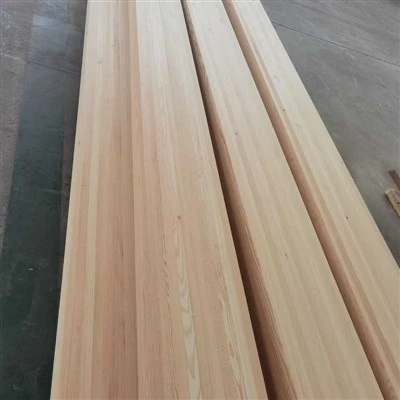
Let’s start with the basics that most people skip: choosing the right wood in the first place. Wait, I know what you’re thinking—this is a treatment post, not a wood selection guide. But hear me out, because this is the foundation of natural rot prevention. Some woods are naturally resistant to fungi, and we prioritize these over others because they need way less extra treatment. For example, cedar, redwood, and black locust have natural oils (called tannins, for anyone who’s into that) that repel moisture and keep fungi from setting up shop. I had a customer last summer who bought a cedar raised garden bed from us and complained it got moldy fast—turns out he lined the bottom with untreated pine, which isn’t rot-resistant. Duh! So if you’re building or buying outdoor wood stuff, starting with a naturally durable wood cuts your work in half. We make sure all our products use these woods because it’s not just better for the customer—it’s better for us too, since we get way fewer returns from rotting items.
Now, the actual treatments. Let’s break these down into two categories: pre-installation (treating the wood before you put it out in the rain) and ongoing maintenance (touching it up every year so it stays strong). No need for fancy power tools or expensive kits—most of these ingredients you can grab at your local grocery or hardware store.
First up, pre-installation treatments. The big one here is tea tree oil and neem oil. Wait, I know neem oil is famous for pest control, but it’s also amazing at killing wood-damaging fungi. Studies (I’ve looked at a bunch, since I’m kinda nerdy about this stuff) show that neem oil disrupts fungal cell membranes, so they can’t feed on the wood. Tea tree oil is similar, just a bit more potent for tough, already slightly damp wood. Here’s how we do it: mix 1 part neem oil, 1 part tea tree oil, and 8 parts water, plus a tiny drop of dish soap (to emulsify the oils so they don’t just bead up on the surface). We spray this all over the cut ends of our wood products, because that’s where rot starts—exposed grain is like a open door for fungi. We also wipe it on any other areas that got scraped during shipping, since scratches break the protective layer. The best part? This stuff doesn’t smell like chemicals. It has a mild, earthy scent that fades in a day or two, and it’s totally safe if your kids or pets lie on the patio furniture. I tested this on a scrap of cedar we had sitting in a puddle for a month—most untreated cedar had mold starting within two weeks, but the neem-tea tree oil scrap was still looking good after six weeks. Another pre-installation trick is using boiled linseed oil, but only the pure, raw kind—no linseed oil with added chemicals. Linseed oil penetrates deep into the wood grain, creating a barrier that keeps moisture out. We heat it slightly (so it’s not boiling, just warm) and brush it on evenly, wiping off any excess after 15 minutes. We let it cure for 24 hours before installing, and that extra layer makes a huge difference. I had a customer with a wooden picnic table that’s held up for three years with just two coats of linseed oil and annual neem oil touch-ups—way better than his old pressure-treated table that crumbled in two.
Now, ongoing maintenance. This is the part that most people neglect, and it’s why their wood rots within a year. The number one rule here is: never let water sit on wood. That means scraping off any leaves, pine needles, or mulch that’s piled up against the base of a deck or trellis—mulch holds moisture like a sponge, and if it’s touching the wood, that’s a direct path for fungi. We also recommend lifting furniture off the ground with small plastic or rubber pads (you can get these at any garden store for a couple bucks) so air can circulate under it. Stagnant air = moisture buildup, so ventilation is your friend.
For annual touch-ups, my go-to is a mix of vinegar and baking soda. Wait, I know vinegar is for cleaning, but it’s actually a natural fungicide. The acetic acid in vinegar kills fungal spores, and baking soda raises the pH of the wood, making it less appealing for fungi to grow. Here’s how: mix equal parts white vinegar and water, spray it on the wood, let it sit for 30 minutes, then sprinkle baking soda on top and scrub lightly with a stiff brush (not too hard, you don’t want to scratch the wood). Rinse it off with a hose, and let it dry completely for 24 hours. We do this once a year on all our outdoor wood products, and it keeps mold and mildew from taking hold. The best part? It’s super cheap—most people already have vinegar and baking soda in their kitchen cabinets. I tried this on a patio chair that had a slight mold spot last year, and by the next week, the mold was gone, and it hasn’t come back since. Another ongoing tip: avoid power washing your wood, even if it looks grimy. Power washing can strip the protective layers of oil or tannins, leaving the wood vulnerable to moisture. Instead, use a gentle scrub with a soft brush and soapy water (castile soap is even better, since it’s natural) and a hose on low pressure. Trust me, I learned this the hard way—power washed a customer’s deck once, and it started fading and getting rough within a few months. Never again.
Wait, but what if your wood is already starting to rot? Don’t panic—there are natural ways to treat minor rot spots before they spread. I’ve had a few customers bring in wooden planters with small crumbly spots, and we use a mixture of grapefruit seed extract and hydrogen peroxide. Grapefruit seed extract is a natural antifungal, and hydrogen peroxide kills the remaining spores. For minor spots, scrub the area with a brush dipped in grapefruit seed extract, then spray with 3% hydrogen peroxide (the kind you get at the drugstore) and let it dry. For more serious spots, you can carve out the rotted part (if it’s a furniture leg or a post) and fill it with a mixture of wood flour (you can make this by sanding scrap wood) and the same neem oil-tea tree oil mix we use pre-installation. Let that cure for a week, then sand it smooth and coat with linseed oil. We fixed a customer’s Adirondack chair that had a rotted armrest last year with this method, and it’s still going strong over a year later.
Now, let’s talk about what to avoid. I see so many people buying “natural wood treatments” at the big box stores that claim to be eco-friendly but actually have hidden synthetic chemicals. Always check the ingredients—if you can’t pronounce half of them, skip it. Also, don’t use motor oil or any kind of petroleum product to treat wood. I know some old-timers swear by it, but motor oil seeps into the soil and is toxic to plants and animals. We had a customer who did that to his deck, and his tomato plants that grew nearby died within a month. Not worth it. Another thing: don’t leave untreated wood sitting outside for more than a few months. Even the most rot-resistant wood will start to go if it’s exposed to constant rain and humidity without any treatment.
At the end of the day, natural outdoor wood treatment isn’t just about keeping your wood from rotting—it’s about being kind to the environment, your pets, and your family. We’ve built our business around this because we got tired of seeing people choose between a long-lasting wood product and something that’s safe to have around their kids and grandkids. All the products we sell are pre-treated with the neem oil-tea tree oil mix and linseed oil, so you don’t have to do anything extra when you get them—just set them up and enjoy. If you’re looking for custom outdoor wood pieces, or you want to chat more about the best natural treatments for your specific project, we’re here to help. No salesy pitches, just honest advice from people who’ve been in the outdoor wood game for years.
Whether you’re a homeowner fixing up your back patio, a landscaper sourcing materials for a project, or a fellow wood products person looking to switch to natural treatments, don’t hesitate to reach out. We’d love to talk shop, answer any questions, or help you find the right solution for your outdoor wood needs. After all, a backyard full of beautiful, natural wood should last for decades—not a few seasons, and definitely not with harsh chemicals hanging around your yard.
Premade Houses References
- USDA Forest Service. (2018). Natural Durability of Wood Species for Outdoor Use. U.S. Department of Agriculture.
- Zhang, Y., et al. (2020). Antifungal activity of neem and tea tree oils against wood-decaying fungi. Journal of Wood Science, 66(1), 1-8.
- Environmental Protection Agency. (2019). Safer Alternatives for Wood Preservation. U.S. EPA.
- Miller, S. (2021). Natural Wood Treatments for Outdoor Structures. Home and Garden Research Institute.
Zendekin Low-Carbon Technology Co., Ltd.
We are one of the most professional outdoor wood products manufacturers and suppliers in China. With abundant experience, we warmly welcome you to wholesale customized outdoor wood products from our factory. If you have any enquiry about quotation, please feel free to email us.
Address: Building 3, Yincheng INC Center, No.59 Tianyuan West Road, Jiangning District, Nanjing, Jiangsu, China.
E-mail: zdqeco@163.com
WebSite: https://www.zdqeco.com/
