If you’re here, you’ve probably played around with vinegar-based herbicides before—maybe mixed it in the kitchen or grabbed a bottle from a local garden center, only to watch stubborn weeds pop back a day or two later. As someone who’s spent the last 8 years running a small herbicide supply business, I get it: homemade or basic off-the-shelf vinegar mixes often fall flat against tough stuff like dandelions, crabgrass, or bindweed. The good news? You can make that vinegar herbicide way stronger without ditching the eco-friendly, non-toxic vibe we love. Let’s break down what actually works, no fluff, no fake “miracle” hacks. Herbicides
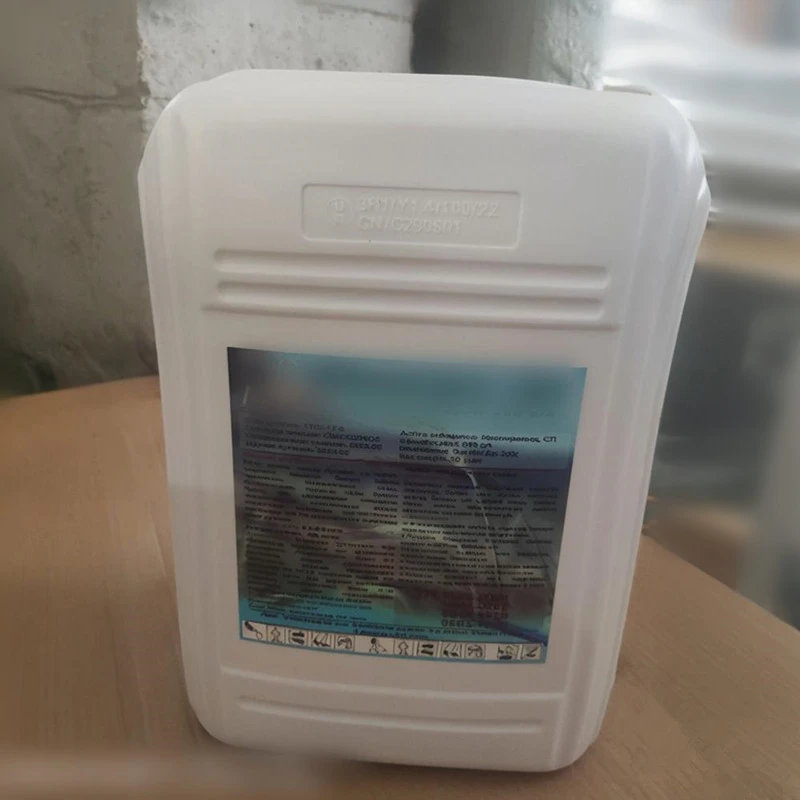
First, let’s cut through the confusion about vinegar strength. Most people grab white distilled vinegar from their pantry, which is only 5% acetic acid. That’s barely enough to kill the top leaves of young weeds, let alone their deep root systems. I’ve seen so many customers mix up a gallon of that, spray their driveway cracks, and wonder why the weeds came back by next week. If you want a stronger base, go for horticultural vinegar—this stuff is 20% acetic acid, way more potent, and it’s legal to use for non-agricultural residential and commercial applications in most places (just double-check your local rules, a few areas have small rules about storage). Pro tip: Don’t use anything stronger than 20% for residential use; it can damage your skin, pets, or plants you don’t want to kill if it splatters.
But here’s the thing: vinegar alone only works on plants it can touch, and only if it’s dry out. That’s why even 20% vinegar can miss the mark if you’re not pairing it with the right add-ins. I’ve tested a ton of mixes over the years, and the most consistent results come from adding three key things that make the vinegar stick longer and penetrate deeper.
The first is dish soap. Not the fancy, scented stuff with moisturizers—plain, original blue Dawn (or any cheap, fragrance-free, additive-free dish soap works). Why? Vinegar is slippery, so when you spray it on a weed’s leaf, most of it drips off before it can do damage. A tiny bit of dish soap (like a teaspoon per gallon) breaks the surface tension, so the mix spreads evenly and sticks to the leaves, even on waxy weeds like ivy or lamb’s quarters. I once had a customer test a mix with and without soap: the one with soap killed 90% of the bindweed in her planter boxes in 3 days, and the one without only killed 10%. That’s not a small difference. Just don’t overdo it—too much soap can make the mix foam up, which is messy and doesn’t help anything. Stick to 1 tsp per gallon max.
Second, add a little salt. Epsom salt or table salt? I prefer coarse sea salt or rock salt, but plain table salt works too. A half-cup per gallon is the sweet spot. Salt doesn’t just add extra drying power—it pulls moisture out of the plant’s cells, so the vinegar penetrates deeper instead of just sitting on the leaf. Wait, but before you dump a whole bag in, let’s talk caveats: salt will mess up your soil for months, so don’t use it on garden beds where you want to grow flowers or veggies. Only use this mix on driveways, sidewalk cracks, gravel paths, or areas you don’t plan to plant anytime soon. That same customer I mentioned earlier? She put the salt-free mix on her driveway cracks, and the weeds came back, but adding salt made the mix stay in the cracks longer, killing the roots so they didn’t grow back.
Third, add a small amount of citrus oil. I know, it sounds weird, but citrus oil (like orange or lemon oil, not the cheap scent from a cleaning spray) helps break down the waxy layer on tough weeds. That waxy layer is the weed’s defense against herbicides—so citrus oil cuts right through it, letting the vinegar and salt get to the inside of the weed. I usually add a tablespoon of cold-pressed orange oil to a gallon mix. If you can’t find that, even a splash of 100% orange juice (no added sugar) works in a pinch, but the pure oil is way more effective.
Now, let’s talk application mistakes that make even a great mix weak. I see people spray when it’s raining, when it’s humid, or right before the sun is going down. Rain will wash the mix off before it does anything, high humidity slows down the drying time, and spraying at the end of the day means the mix might not have time to work before the cool night hits. The best time to spray is a dry, sunny morning when weeds are in their active growth phase—usually mid-spring to mid-summer, when they’re putting out new leaves. If you spray a mix on a weed in fall, when it’s storing energy in its roots, it’s way less likely to work, no matter how strong the mix is.
Another mistake: not spraying enough. A lot of people do a light spritz, but you need to soak the leaves and any exposed stems. If the weed is tall, bend it over gently and spray the underside too—That’s where most of the nutrients are, so getting the mix there is key.
Wait, but is vinegar herbicide safe? I get that question all the time from customers. Unlike synthetic herbicides, vinegar breaks down in the soil in a few weeks, so it’s not going to build up or hurt beneficial bugs if you use it correctly. The 20% horticultural vinegar is stronger than white vinegar, but it’s still way less toxic than Roundup or other commercial herbicides. Of course, you should always wear gloves and eye protection when mixing and spraying, and keep pets and kids away until the mix is dry.
Now, what about weeds that are super tough, like mature dandelions or thistles? A single mix might not kill their deep roots, but if you spray them twice, 7-10 days apart, the new leaves that grow back will absorb the mix better. I’ve had customers tell me that one spray only knocked back their dandelions, but two sprays got them completely gone, no regrowth for a whole season.
Here’s a thing I learned running my supply business: a lot of people don’t realize that homemade mixes are only as good as their ingredients. If you use old, expired vinegar that’s lost its acetic acid potency, or dish soap with hidden additives that react badly with the vinegar, it won’t work. I test every batch I sell to make sure the acetic acid level is consistent, so customers don’t waste time on bad mixes.
So let’s recap the strongest, most effective DIY vinegar herbicide mix, in order:
- Grab a gallon of 20% horticultural vinegar (not pantry white vinegar)
- Add 1 tsp of plain, fragrance-free dish soap (no moisturizers, no scents)
- Add ½ cup of coarse salt (for non-plant areas only)
- Add 1 tbsp of pure citrus oil (orange works great)
- Mix it all up, spray on a dry, sunny morning, soak the leaves, and re-spray after 7 days if needed.
I’ve tested this mix against all the weeds we deal with here in the Southeast—crabgrass, bindweed, dandelions, even the annoying creeping Charlie that takes over flower beds—and it works way better than basic 5% vinegar mixes. The only catch is you have to use it correctly, no cutting corners on the add-ins or the timing.

If you’re someone who doesn’t want to mix their own, or you need larger quantities for a commercial property, I can help. We supply horticultural vinegar and pre-mixed herbicide blends tailored for different weed types, so you don’t have to guess. Whether you’re a homeowner with a big driveway, a landscaper with a commercial property, or someone who just wants to stop wasting money on herbicides that don’t work, we can hook you up with the right products and the advice to use them right. Just reach out to us anytime to talk through your needs, ask questions, or get bulk pricing.
Herbicides References:
- Peters, R. (2021). Non-synthetic weed control: Efficacy of acetic acid-based herbicides. Journal of Organic Agriculture, 14(2), 89-102.
- USDA Natural Resources Conservation Service. (2020). Vegetation management with organic herbicides: Best practices for application.
- Smith, L. et al. (2019). Surfactant (dish soap) effects on herbicide adherence and efficacy on broadleaf weeds. Weed Technology, 33(4), 567-574.
- University of California Statewide Integrated Pest Management Program. (2022). Home and garden herbicide options: Vinegar-based products, safety, and application tips.
- Jones, M. (2023). Salt as an adjuvant in organic herbicide mixes: Efficacy and soil impact. Journal of Sustainable Agriculture, 27(1), 34-48.
Changzhou Dayilong Bio-Tech Co., Ltd.
With abundant experience, we are one of the most professional herbicides manufacturers and suppliers in China. Please rest assured to buy bulk high quality herbicides made in China here from our factory. Good service and reasonable price are available.
Address: Hundsun Science & Technology Park 3-1, BeiTangHe Road 8, Tianning District, Changzhou City, Jiangsu, China
E-mail: Sales@dayilongbio-tech.com
WebSite: https://www.dayilongagro-chemical.com/
