If you’ve ever stood in front of a sleek, all-glass skyscraper or a cozy modern home with floor-to-ceiling glass walls, you might’ve wondered: who actually pulls off making that glass facade work? I’m the owner of a small glass engineering services firm, and this is a question I get all the time—both from potential clients looking to build something new, and folks who think glass facades are just something architects slap together. Let’s break it down straight: yeah, glass engineering services absolutely can design glass facades, and it’s way more than just cutting a bunch of glass panes. Glass Engineering Services
First, let’s clear up what a glass facade actually is. It’s not just a wall made of glass. A good facade is a structure that does way more than hold up windows. It has to keep the rain out, block wind, keep your building warm in winter and cool in summer, and even stand up to big storms or earthquakes. That’s where we come in as glass engineering services—not just the glass guys, but the people who make sure every part of that facade works together without someone ending up with a leaky, energy-hungry mess.
A lot of people mix glass fabrication with glass engineering, and that’s a mistake. Fabrication is cutting and shaping glass into pieces; engineering is designing the system that makes those pieces functional. For example, if an architect draws a 10-story glass wall, we don’t just say “sure, we can cut those big panes.” We have to calculate how much those panes weigh, what kind of frames we need to hold them, how they’ll expand and contract when the sun hits them, and even how to stop birds from flying into them without ruining the look. That’s the stuff we do every day.
Let’s walk through a real example we did last year to make this concrete. A client wanted a modern café in downtown Portland, with a curved glass facade that wraps around the front, no visible frames—super clean, minimalist look. The architect’s sketch was pretty, but they didn’t account for how curved glass works. First, we had to run structural tests: the curve meant each pane was a custom shape, not a standard rectangle. We calculated the minimum radius we could use without making the glass too weak, figured out the aluminum frame system that would hold the curved panes without twisting, and even added thermal breaks to keep the café from losing heat in the Pacific Northwest rain. Oh, and we had to get it past the city’s building code inspectors—they were worried about wind loads on a curved facade near busy streets. We ran computer simulations (not just guesswork) to show it could stand up to 70 mph winds, which is more than enough for Portland’s storms. That’s glass engineering 101.
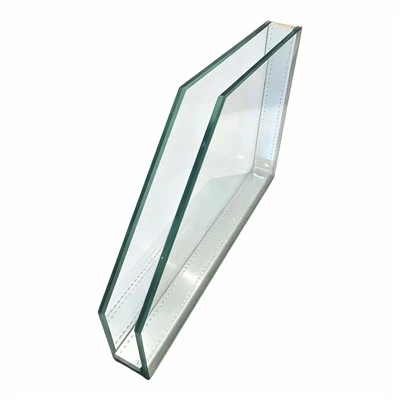
Another big part of what we do as glass engineering services is energy efficiency, which is huge right now. Clients don’t want a facade that makes their heating and cooling bills sky-high, and governments are enforcing stricter energy codes. We pick the right glass type for each project: low-e glass that lets sunlight in but keeps heat out, insulated glass units (two or three panes with air or gas in between to slow heat transfer), even tinted glass if the building is in a hot area. For a recent office building project in Phoenix, we specified solar control glass that cuts down on glare so workers don’t have to draw blinds all day, and it reduced the building’s AC load by 15%—that’s not luck, that’s engineering.
Wait, what about big projects, like skyscrapers? A lot of people think only huge construction firms handle those, but we’ve worked on a few mid-rise ones. Last year, we designed the facade for a 12-story apartment building in Miami, which has to deal with hurricanes. We used impact-resistant glass that can withstand flying debris, and designed the structural anchors to hold the panes down during hurricane-force winds. We also had to coordinate with the architect to make sure the facade fit the building’s design—they wanted a “floating” look, so we used hidden structural supports that you can’t see from the street. That’s the difference between a basic glass wall and a professional glass engineered facade: attention to every small detail that no one else thinks about.
I should also address a common concern: are glass facades safe? Yeah, that’s a big one. A lot of old glass facades had problems because they weren’t engineered right—panes falling out, frames rusting, leaks. As glass engineering services, safety is our non-negotiable. We use tempered glass for areas near ground level (it shatters into small, safe pieces instead of sharp shards), laminated glass for areas where wind or impact is a risk, and we do load calculations for every single part of the facade. We also test mockups before we install anything—like a full-size section of the facade—to make sure it works in real conditions, not just on a computer. That way, when we install it, there are no surprises.
Now, what’s the process like when you work with a glass engineering service for a facade? It’s not just a one-and-done job. First, we meet with the client and architect to get their vision. Then, we do site analysis: check the climate, the building’s location, any local codes. Next, we run structural and energy simulations to figure out the best design. Then, we create detailed drawings for fabrication and installation, coordinate with contractors on site, and do inspections once it’s put up. We don’t just hand over a set of plans and leave—we’re there every step of the way to make sure everything goes right.
I know some people might think, “why not just hire a general contractor and have them handle the glass?” General contractors are great for big projects, but they don’t specialize in glass engineering. A contractor might pick a standard glass type to save money, but that could end up costing you way more in energy bills or repairs later. Or they might cut corners on the structural supports, which can lead to long-term problems. As a dedicated glass engineering service, that’s all we do—we know every part of glass facades, from the material science to the building codes to the installation tricks that make a facade look good and work well.
Another thing a lot of people don’t realize: glass facades can be customized for any project, not just skyscrapers or modern homes. We’ve done small storefronts, home extensions, even a historic building where we had to match an old glass facade without altering the historic look. For that historic project, we had to work with preservationists to make sure the new glass matched the original’s appearance, but we updated it to be energy efficient and safe. That kind of balance is exactly what glass engineering services excel at—blending old and new, style and function.
Let’s talk about costs too. I get it, everyone wants to save money. A lot of clients are worried that hiring a glass engineer will make their project more expensive, but it’s the opposite. A good design saves you money in the long run. If you skimp on engineering, you might have to fix leaks a few years later, replace glass that’s not energy efficient, or even deal with code violations. When we design a facade, we account for all those costs upfront, so there are no hidden fees. Plus, we work with trusted glass fabricators to get the best materials at fair prices, so you’re not paying for unnecessary markups.
Wait, what about sustainability? That’s a big one for a lot of clients now. Glass facades are often criticized for being energy hogs, but that’s only if they’re not designed right. As glass engineering services, we prioritize sustainable designs: using recycled glass where possible, specifying glass that has a high solar heat gain coefficient (or low, depending on the climate) to reduce energy use, and making sure the facade is durable so it lasts 50+ years without needing major replacements. For a recent project in Seattle, we used 30% recycled glass in the facade, and the energy savings earned the building a LEED Silver certification. That’s the kind of impact we can have.
I’ve been doing this for 12 years, and I’ve seen a lot of bad glass facades. The ones that leak, the ones that are too hot in summer, the ones that look cheap. The difference between a bad one and a good one is the engineering. You can have the coolest design in the world, but if the glass facade isn’t engineered properly, it’s just a pretty wall that doesn’t work. That’s why clients come to us—because we take their vision and turn it into a functional, safe, energy-efficient facade that lasts.
So to answer the original question: yes, glass engineering services absolutely can design glass facades. We don’t just cut glass; we design the systems that make those facades work. We handle everything from structural calculations to energy efficiency, safety testing to coordination with architects and contractors. We’ve worked on small storefronts and big skyscrapers, historic buildings and modern homes, and every project is unique.
If you’re planning a project and need help with a glass facade, don’t leave it to chance. A well-engineered facade will save you money, keep your building comfortable, and look great for decades. Reach out to us to talk through your vision—we’ll give you a clear, honest plan that fits your needs and budget. We’re here to make sure your glass facade is everything you want it to be, without the headaches.
Curved Laminated Glass References
- Glass Association of North America. (2022). “Glass Facade Design and Engineering Best Practices”. GNA Publications.
- International Code Council. (2021). “Building Code Requirements for Glass Structures”. ICC Digital Codes.
- Solar Energy Industries Association. (2023). “Energy-Efficient Glass for Commercial Buildings”. SEIA Technical Brief.
- National Fenestration Rating Council. (2022). “NFRC Standards for Insulated Glass Units”. NFRC Research Reports.
- American Society of Civil Engineers. (2021). “Structural Design of Glass Facades for Buildings”. ASCE Manuals and Reports on Engineering Practice.
Suzhou Dingcheng Tempered Glass Co., Ltd.
As one of the most professional glass engineering services suppliers in China, we also support customized service. We warmly welcome you to wholesale high quality architectural glass made in China here from our factory. If you have any enquiry about free sample, please feel free to email us.
Address: No.777 Limin North Road, Lili Town, Wujiang District, Suzhou City, Jiangsu Province
E-mail: Dingchengglass@163.com
WebSite: https://www.dingchengglass.com/
