In the dynamic world of injection molding, the mold clamping unit stands as a cornerstone of auxiliary equipment, playing a pivotal role in the overall process. As a supplier of injection molding auxiliary equipment, I’ve witnessed firsthand the critical importance of understanding how a mold clamping unit operates. This knowledge not only empowers manufacturers to optimize their production processes but also enables them to make informed decisions when selecting the right equipment for their specific needs. Injection Molding Auxiliary Equipment
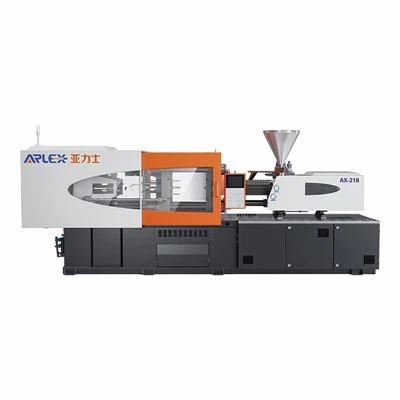
The Basics of a Mold Clamping Unit
At its core, a mold clamping unit is designed to hold the two halves of an injection mold together during the injection process. This is crucial because the molten plastic is injected into the mold cavity at high pressure, and without a secure clamping mechanism, the mold could separate, leading to defective parts or even equipment damage.
The mold clamping unit consists of several key components, including the clamping platen, the moving platen, the tie bars, and the clamping mechanism. The clamping platen is the stationary part of the unit, while the moving platen is attached to the clamping mechanism and moves back and forth to open and close the mold. The tie bars provide a rigid structure that holds the platens in place and ensures that the mold is clamped evenly.
The Clamping Process
The clamping process can be divided into several stages, each of which is essential for the successful production of high-quality injection-molded parts.
Mold Closing
The process begins with the mold closing stage. The moving platen is driven towards the stationary platen by the clamping mechanism, which can be either hydraulic, mechanical, or electric. As the moving platen approaches the stationary platen, the mold halves come together, and the clamping force is gradually applied.
Clamping Force Application
Once the mold is closed, the clamping mechanism applies a significant amount of force to hold the mold halves together. The clamping force is determined by several factors, including the size and shape of the mold, the type of plastic being used, and the injection pressure. It’s crucial to apply the correct clamping force to prevent flash (excess plastic that escapes from the mold) and ensure that the parts are properly formed.
Injection and Cooling
After the clamping force is applied, the molten plastic is injected into the mold cavity at high pressure. The plastic fills the cavity and takes the shape of the mold. During this stage, the clamping unit must maintain the clamping force to prevent the mold from opening due to the pressure of the injected plastic.
Once the plastic has filled the mold cavity, it begins to cool and solidify. The clamping unit continues to hold the mold closed during the cooling process to ensure that the parts maintain their shape and dimensions.
Mold Opening
After the plastic has cooled and solidified, the clamping mechanism releases the clamping force, and the moving platen is driven away from the stationary platen, opening the mold. The finished parts are then ejected from the mold, and the process can be repeated for the next cycle.
Types of Clamping Mechanisms
There are several types of clamping mechanisms used in mold clamping units, each with its own advantages and disadvantages.
Hydraulic Clamping Mechanisms
Hydraulic clamping mechanisms are the most common type of clamping mechanism used in injection molding machines. They use hydraulic pressure to apply the clamping force, which allows for precise control and high clamping forces. Hydraulic clamping mechanisms are also relatively simple and reliable, making them a popular choice for many manufacturers.
However, hydraulic clamping mechanisms can be energy-intensive, and they require regular maintenance to ensure proper operation. They also tend to be larger and heavier than other types of clamping mechanisms, which can limit their use in some applications.
Mechanical Clamping Mechanisms
Mechanical clamping mechanisms use a system of levers and gears to apply the clamping force. They are typically more compact and lightweight than hydraulic clamping mechanisms, and they consume less energy. Mechanical clamping mechanisms are also relatively simple and easy to maintain.
However, mechanical clamping mechanisms can be less precise than hydraulic clamping mechanisms, and they may not be suitable for applications that require high clamping forces. They also tend to have a slower clamping speed, which can limit the production rate.
Electric Clamping Mechanisms
Electric clamping mechanisms use electric motors to apply the clamping force. They offer several advantages over hydraulic and mechanical clamping mechanisms, including higher precision, faster clamping speed, and lower energy consumption. Electric clamping mechanisms are also more environmentally friendly, as they do not require hydraulic oil.
However, electric clamping mechanisms can be more expensive than hydraulic and mechanical clamping mechanisms, and they may require more complex control systems. They also tend to have a lower maximum clamping force, which can limit their use in some applications.
Factors Affecting the Performance of a Mold Clamping Unit
Several factors can affect the performance of a mold clamping unit, including the following:
Clamping Force
As mentioned earlier, the clamping force is a critical factor in the injection molding process. If the clamping force is too low, the mold may open during the injection process, leading to defective parts. If the clamping force is too high, it can cause excessive wear on the mold and the clamping unit, and it may also increase the energy consumption.
Clamping Speed
The clamping speed is another important factor that can affect the production rate. A faster clamping speed allows for more cycles per hour, which can increase the overall productivity. However, a faster clamping speed may also require a more powerful clamping mechanism, which can increase the cost and energy consumption.
Mold Size and Weight
The size and weight of the mold can also affect the performance of the mold clamping unit. Larger and heavier molds require a higher clamping force and a more robust clamping mechanism. It’s important to select a mold clamping unit that is capable of handling the size and weight of the molds used in the production process.
Plastic Material
The type of plastic material being used can also affect the performance of the mold clamping unit. Different plastics have different melting points, viscosities, and shrinkage rates, which can require different clamping forces and injection pressures. It’s important to select a mold clamping unit that is compatible with the plastic materials used in the production process.
Importance of a Well-Functioning Mold Clamping Unit
A well-functioning mold clamping unit is essential for the successful production of high-quality injection-molded parts. Here are some of the key benefits of a reliable mold clamping unit:
Quality Assurance
A proper clamping force ensures that the mold remains closed during the injection process, preventing flash and ensuring that the parts are properly formed. This results in high-quality parts with consistent dimensions and surface finish.
Productivity
A fast and efficient clamping process allows for more cycles per hour, increasing the overall production rate. This can help manufacturers meet their production targets and reduce costs.
Equipment Longevity
A well-designed and maintained mold clamping unit can reduce wear and tear on the mold and the injection molding machine, extending their lifespan and reducing maintenance costs.
Conclusion
As a supplier of injection molding auxiliary equipment, I understand the importance of a well-functioning mold clamping unit in the injection molding process. By understanding how a mold clamping unit works, manufacturers can optimize their production processes, improve the quality of their parts, and increase their productivity.
Plastic Injection Moulding Machine If you’re in the market for injection molding auxiliary equipment, including mold clamping units, I encourage you to reach out to us. Our team of experts can help you select the right equipment for your specific needs and provide you with the support and service you need to ensure the success of your injection molding operations. Contact us today to start a conversation about how we can help you take your injection molding business to the next level.
References
- Throne, J. L. (1996). Polymer Rheology and Processing. Marcel Dekker.
- Rosato, D. V., & Rosato, D. V. (2000). Injection Molding Handbook. Kluwer Academic Publishers.
- Osswald, T. A., & Turng, L. -S. (2004). Injection Molding Handbook. Hanser Publishers.
Ningbo Yalishi (Arlex) Plastic Machinery Co., Ltd.
Ningbo Yalishi(Arlex) Plastic Machinery Co., Ltd. is one of the most reliable injection molding auxiliary equipment manufacturers and suppliers in China, featured by quality products and low price. Please rest assured to wholesale cheap injection molding auxiliary equipment made in China here from our factory. Customized orders are welcome.
Address: No.63, Huangsu East Road, Industrial Zone, Dongqian Lake Tourist Resort, Ningbo, Zhejiang Province
E-mail: leo@arlex.cn
WebSite: https://www.arleximm.com/
