If you’ve ever been around construction sites, mining operations, or infrastructure projects, you know dump trucks are the unsung heroes of moving materials. As a Delong Dump Truck supplier, I get asked a ton of questions from operators, fleet managers, and even new business owners, and one that comes up all the time is: How long does it take to lift the bed on a Delong dump truck? Delong Dump Truck
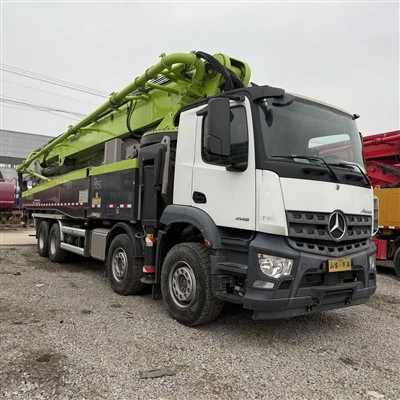
I used to skip over this question early on, thinking it was just a basic mechanical thing—hit a button, wait a second, done. But after years of answering this for customers across different industries, I’ve realized it’s not that simple. It depends on a bunch of factors, from the model of your Delong truck to what you’re hauling, and even how you’re maintaining the hydraulic system. Let me break this down like I would when chatting with a new client, no fancy jargon, just real info.
First, let’s start with the most common Delong dump truck models because that’s where most people are working. The standard mid-sized Delong dump trucks—you know, the ones used for small to mid-sized construction, residential site work, and light mining—usually have a bed lift time of between 8 and 12 seconds. Wait, that’s a wide range, right? The 8-second mark is for when the truck is empty, on flat, stable ground, and the hydraulic system is in perfect shape. Empty beds don’t put a lot of extra strain on the hydraulics, so the rams can push the bed up fast. The 12-second number kicks in when you’re hauling a full load—say, 20 to 30 tons of gravel or dirt—and you’re on a slight incline. The hydraulics have to work harder to lift that weight, so it slows down a bit.
Now, if you’re dealing with the heavy-duty Delong dump trucks, the ones made for large mining sites or major highway projects, that time jumps a little. These trucks carry 40 to 80 tons of material, so their hydraulic systems are way bigger. On average, a full lift for a heavy-duty Delong dump truck is between 15 and 20 seconds. I’ve had a few mining clients tell me their old competitors’ trucks took up to 25 seconds, so that’s one thing I always highlight when selling Delong: our hydraulic design is tuned for speed without sacrificing durability. No one wants to wait around for the bed to lift when you’ve got a deadline to meet.
But here’s the thing—these numbers aren’t set in stone. Your lift time can change if something’s off with your truck. Let’s talk about maintenance, because that’s the biggest variable most people overlook. Hydraulic fluid is the lifeblood of the lift system. If you’re using the wrong fluid, or if it’s dirty, low on levels, or too old, that slows everything down. I’ve had customers bring their Delong trucks to me saying the bed takes 18 seconds to lift, and it turned out they’d never changed the hydraulic fluid in 2 years. Swapping it out for the recommended Delong hydraulic fluid knocked the time back down to 14 seconds immediately. That’s a 22% improvement just from basic upkeep.
Another maintenance thing: clogged filters. The hydraulic filter keeps debris out of the system, but if it’s full, it restricts the flow of fluid to the rams. Even a small clog can add 3 to 5 seconds to your lift time. And don’t get me started on worn-out seals. If the seals in the hydraulic rams are cracked or leaking, pressure drops, and the bed lifts slower—and might not even go all the way up. I tell every customer I work with to do a quick hydraulic system check every 500 hours of use, and that includes checking fluid levels, filters, and seals. It saves you way more time and money in the long run.
Then there’s the terrain and the load itself. I mentioned earlier that a slight incline slows the lift, but what if you’re on a soft, muddy site? The truck’s wheels can sink a little when you hit the lift button, which shifts weight and puts extra strain on the hydraulics. That might add another 2 to 4 seconds to your lift time. And the material you’re hauling matters too. Dry, loose gravel or topsoil is easy to lift—no extra friction inside the bed. But wet, sticky clay? That stuff cakes to the bottom and sides of the bed, adding weight and making the bed harder to pivot. I’ve seen full loads of clay add 6 to 8 seconds to the lift time because of that extra friction. If you’re working with sticky materials, a quick bed spray before dumping can help cut that time back down.
Wait, what about empty vs. loaded? Let’s clarify that again because a lot of new operators mix this up. When the bed is empty, it’s just the weight of the steel and whatever small amount of residual material is left. That’s when you get the fastest lifts. But if you’re moving a full load, even if it’s light, like mulch or sand, the lift time will always be a little longer than empty. I’ve tested this on my own demo Delong trucks: empty mid-sized truck, 8.2 seconds; full of sand, 9.7 seconds. That’s a 1.5-second difference, but it adds up over a day of dumping. If you’re doing 100 dumps a shift, that’s 150 seconds—2 and a half hours—wasted on slow lifts. That’s why speed matters more than you think for productivity.
I also get asked about how often you can lift the bed without damaging the system. Some operators, especially in a hurry, will hold the lift button down for a few extra seconds after the bed is all the way up, or even lower and raise the bed multiple times in a row without letting the hydraulics cool down. That’s a bad habit. The hydraulic system gets hot with use, and overheating can wear out seals and rams faster. I recommend letting the system rest for 30 to 60 seconds between heavy lifts, especially in hot weather. That keeps everything running smoothly, and your lift time stays consistent over the life of the truck.
Now, as a Delong supplier, I’ll be honest: not all dump trucks are created equal. I’ve had customers cross-shop Delong with other brands, and one of the biggest differences they notice is the lift speed. A lot of budget brands skimp on hydraulic pumps to cut costs, which means slow lifts and more breakdowns. Our Delong trucks use high-flow hydraulic pumps and reinforced steel rams that are designed for both speed and long-term use. I’ve had a construction client in Texas who’s used his Delong mid-sized truck for 3 years, doing 10-hour shifts 6 days a week, and his lift time is still right around 9 seconds when it’s empty. That’s way better than the brand he had before, which started at 8 seconds but dropped to 15 seconds after a year of use.
If you’re still on the fence about what affects lift time, here’s a quick cheat sheet I give to every new customer:
- Model of your Delong dump truck: Mid-sized = 8-12 sec empty, 10-14 sec loaded; Heavy-duty =15-20 sec full.
- Hydraulic maintenance: Good fluid, clean filters, tight seals = faster lifts. Bad maintenance = 2-10 sec slower.
- Load type and terrain: Soft ground or sticky materials = add 2-8 sec.
- Habits: Let the system cool down, don’t overwork it = keep lift time consistent.
I’ve also run into some common mistakes operators make that mess with lift time. One big one is using the wrong grade of hydraulic fluid. A lot of people use generic fluid from a parts store, but Delong recommends a specific anti-wear hydraulic fluid that’s formulated for our systems. Using the wrong fluid can cause internal friction in the rams, slowing down the lift. I’ve had customers switch to the right fluid and see a 2 or 3-second improvement immediately—no other changes needed. Another mistake is not centering the load in the bed. If all the material is on one side, the weight is uneven, which makes the hydraulics work harder and can even cause the bed to tilt, adding more time. A quick spread of the load before lifting fixes that.
At the end of the day, lift time isn’t just a fun fact—it directly impacts your bottom line. Every extra second per dump adds up to less time moving material, fewer loads per day, and higher labor costs. For a small construction crew, that might mean missing a project deadline. For a mining operation, that’s thousands of dollars in lost production every day. That’s why as a Delong Dump Truck supplier, I don’t just sell you a truck—I make sure you understand how to keep it running at its best, including getting that optimal lift time.
If you’re in the market for a Delong dump truck, or if your current fleet’s lift times are slowing you down, don’t hesitate to reach out to our team for more info. We can walk you through the best models for your site, share maintenance tips to keep your lift times fast, and answer any other questions you have about how our trucks perform.
Low-bed Semi-trailer References:
- Delong Heavy Duty Equipment Technical Manual – Hydraulic System Specifications
- Construction Equipment Maintenance Journal, 2022: Hydraulic Fluid Impact on Dump Truck Lift Performance
- National Mining Association, 2021: Dump Truck Productivity Metrics for Heavy Haul Operations
- Delong Customer Field Data, 2020-2023: Mid-Sized Dump Truck Lift Time Averages by Industry
Jining Yaochi Automobile Trading Co., Ltd.
With abundant experience, we are one of the most professional delong dump truck manufacturers in China. Please feel free to buy cheap delong dump truck made in China here from our factory. Quality products and reasonable price are available.
Address: Liangshan Industrial Park, Jining City, Shandong Province, China
E-mail: Yzhiying23@gmail.com
WebSite: https://www.yaochitruck.com/
