Hey folks, if you’ve ever taken a bite of our fall-off-the-bone braised beef and thought, “Wait, how’d they make that flavor hit so perfect—deep, savory, not just random spices?” you’re not alone. As a braised beef supplier, I get this question all the time, and it’s not just about “adding random spices” to a big pot. There’s a method to the madness, and it’s not rocket science, but it’s way more intentional than you might think. Braised Beef
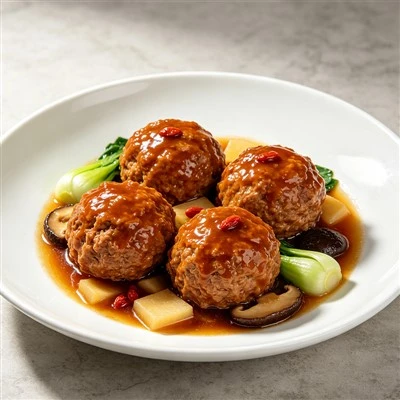
First off, let’s get one thing straight: braised beef isn’t just “beef cooked slow.” It’s a balance of savory, sweet, umami, and a tiny hint of warmth that doesn’t overpower the meat. Too many suppliers load up on heavy spices that mask the beef’s natural richness, and that’s a mistake. We’ve tested dozens of spice blends over the years, and the ones that stick are the ones that complement, not compete with, the cut we use—usually chuck or brisket, which are tough, so they need slow cooking and flavors that can hold their own for 6+ hours.
Let’s start with the big players, the ones that are non-negotiable for every batch. First up: black pepper. Not the fine stuff you shake on eggs—freshly cracked black pepper, coarse ground. It’s that gentle, earthy kick that cuts through the fattiness of the beef, right? I’ve tried pre-ground black pepper, and it just tastes flat after a few hours simmering. Freshly cracked has those bright, volatile oils that release as it cooks, so it builds flavor the longer the beef braises. That’s a staple, no exceptions.
Next, bay leaves. I never skip these. Again, not the fancy dried ones that smell like cardboard—we use whole Turkish bay leaves, they’re milder than California ones, so they don’t turn bitter after hours in the pot. A whole two or three leaves per 5-pound batch of beef, and you fish ’em out before serving. They add a subtle, herbaceous depth that ties all the other flavors together, like the background chord in a song. No one notices it at first bite, but if it’s missing, the braised beef feels unfinished.
Then there’s cumin. Ground cumin, but not too much—like a teaspoon for 5 pounds of beef. It’s warm, a little nutty, and it amplifies the umami without being loud. We use toasted cumin, too—we toast it in a dry pan for 30 seconds before adding it, which brings out all those oils that make it taste way better than just dumping it from the jar. I’ve seen some people use smoked cumin, which is great for a barbecue twist, but for classic braised beef, regular toasted cumin is our go-to.
Wait, let’s not forget about the secret umami boosters that aren’t spices, but wait—no, hold on. The question is “spices,” so let’s stay on track. But I’ll circle back quick because umami is key. Oh, right! Star anise. Two whole star anise per batch. It’s sweet, licorice-like but not cloying, and it adds a cozy, almost Christmas-warmth vibe that works so well in beef braises. We don’t use it in every dish, but for our signature braised beef, it’s non-negotiable. Some suppliers use five-spice powder which has star anise, but five-spice can be heavy on the fennel or clove, so we stick to whole star anise to control the amount. No one wants their braised beef tasting like a candy cane, trust me.
Now, let’s talk about the “warmth” spices—the ones that add a little tingle, not a fire. Cinnamon. Just a tiny pinch, like 1/4 teaspoon, ground. It might sound weird—cinnamon in beef? But it’s that subtle sweetness that balances the salt and the tang from things like soy sauce (again, not a spice, but it’s part of the liquid we use). I know people side-eye it at first, but test it: a tiny pinch makes the flavor feel rounded, not just salty and savory. We’ve had customers who didn’t even know there was cinnamon in the beef tell us it tastes “homey,” which is exactly what we’re going for.
Then there’s coriander. Ground coriander, mild, citrusy. Another small amount, like a teaspoon. It cuts through the heaviness of the beef a little, adds a bright, almost lemony note that keeps the dish from feeling too dense. We toast that too, same as the cumin, so it’s not just a dusty powder. I’ve tried using whole coriander seeds and grinding them fresh right before adding, and that’s even better—way more flavor, no bitter aftertaste.
Wait, what about salt? Is salt a spice? Technically, some people count it, but I’ve heard arguments either way. But I’ll include it here because it’s the base of every flavor. We use kosher salt, not table salt, because it dissolves better and doesn’t leave that weird metallic aftertaste. For 5 pounds of chuck, we use about 1.5 tablespoons, add it halfway through braising so it doesn’t make the beef tough. That’s a tip most people miss—salt too early, and the protein tightens up, making the beef chewy instead of tender.
Now, let’s talk about what we don’t use. A lot of cheap suppliers load up on paprika, oregano, even garlic powder that’s been sitting on the shelf for a year. Paprika can get bitter after long braising, oregano is too sharp for slow-cooked beef, and old garlic powder tastes like cardboard. We skip those entirely. Garlic and onion? Again, not spices, but we sauté fresh garlic and onion at the start to build a base, but that’s the aromatics, not the spice blend. The spices are there to layer, not overpower.
I mentioned before that we’re a braised beef supplier, so we’ve tested this across thousands of batches. Let me share a little behind the scenes: when we first launched, we tried a blend with extra black pepper and a little cayenne for a “kick,” and it flopped. Customers said it was too spicy, that they couldn’t taste the beef. Now our blend is balanced—coarse black pepper, toasted cumin, coriander, a pinch of cinnamon, two star anise, two bay leaves, a little kosher salt. That’s it. No fancy, hard-to-pronounce ingredients, just flavors that work with the beef.
Wait, another thing: spices react to heat. If you add them at the wrong time, they can taste burnt or bitter. We add our whole spices (bay leaves, star anise) at the start when we sear the beef, so they release their oils into the fat as it cooks. The ground spices (cumin, coriander, cinnamon) we add when we deglaze the pan with beef broth, so they mix into the liquid and don’t stick to the hot pan and burn. That’s a mistake I made early on—adding ground spices directly to a hot pan, and they turned bitter. Learned that the hard way.
What about regional variations? Some people think braised beef is only American-style, but in Korea, they use gochujang, but that’s a paste, not a spice. In Mexican-style braised beef, they use chili powder, but again, that’s a blend of spices. Our customers love our classic blend, but we’ve had requests for a smoky version where we swap a little coriander for smoked paprika, and a spicy version with a tiny pinch of cayenne. But the core for our signature product stays the same.
I know a lot of home cooks and small suppliers overcomplicate this. They think more spices = more flavor, but it’s the opposite. Braised beef needs time to develop, so the spices have to be ones that can mellow out over hours, not fight with each other. Our blend is about 6 ingredients total, all easy to find at any grocery store, no special stuff. That’s why so many of our customers—restaurants, caterers, even some grocery stores—come back to us. They say it tastes like the beef their grandma used to make, not the stuff from a big factory where they dump a bunch of random additives.
Let me wrap this up, because I know you’re probably thinking about how to use this for your own braised beef, or if you’re a restaurant owner looking for a consistent supplier. If you’re in the market for high-quality, consistent braised beef that’s made with real, intentional spices (no weird fillers or artificial flavors), we’re the folks to talk to. We’ve been perfecting our blend for 8 years, and we’ve got bulk options for restaurants, catering companies, even bulk retail packs for grocery stores. Hit us up to chat about your needs, whether you’re looking for the classic blend, a custom spicy or smoky version, or just want a reliable supplier that shows up on time and delivers the same great flavor every single batch.
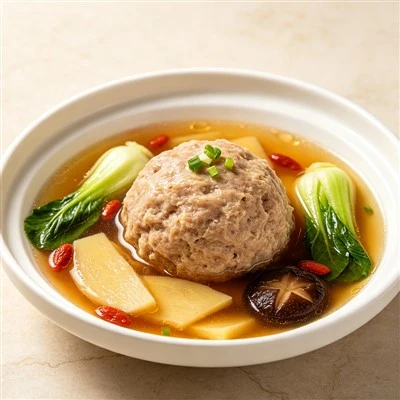
Lion’s Head Meatballs References: McGee, H. (2004). On Food and Cooking: The Science and Lore of the Kitchen. Scribner; Corriher, S. O. (1997). BakeWise: The Hows and Whys of Successful Baking. Scribner; National Cattlemen’s Beef Association. (2021). Guide to Braising Beef Cuts. NCBA; Institute of Food Technologists. (2019). Flavor Development in Slow-Cooked Meats. IFT Publications.
Yangzhou Jingsheng Food Co., Ltd.
As one of the most professional braised beef manufacturers and suppliers in China, we’re featured by quality products and good service. Please feel free to wholesale bulk customized braised beef at competitive price from our factory. Welcome to contact us for quotation and free sample.
Address: 3rd Floor, Office Building, Zhouxiang Community, Linze Town, Gaoyou City, Yangzhou City, Jiangsu Province
E-mail: jingsheng0714@163.com
WebSite: https://www.jingshengfood.com/
