If you’ve ever walked through a shop floor where Vertical CNC Lathes are humming along, you’ve probably seen a pile of shavings piling up at the base of the machine before someone tosses them into a bin—most people don’t stop to think about why those shavings are moving there in the first place. As a Vertical CNC Lathe supplier, I’ve spent years answering questions about every part of these machines, and the chip removal system is one I get asked about more than anything. It’s not just a random add-on, by the way; it’s the unsung part that keeps your machine running smoothly, your operators safe, and your production on track. Let me break it down like I would for a customer who’s new to these machines, no stuffy jargon or fancy nonsense. Vertical CNC Lathe
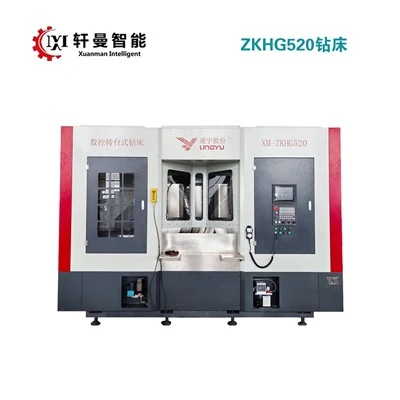
First off, what even is a chip removal system, specifically for a Vertical CNC Lathe? Let’s start with the basics: a vertical lathe is different from a horizontal one, right? Instead of a horizontal spindle holding a part that spins parallel to the floor, a vertical lathe has a vertical spindle, so parts—think big, heavy stuff like turbine housings, valve bodies, or even large gears—sit on a workholding chuck that spins straight up. When you cut into that part, metal (or sometimes plastic, but mostly metal) shavings, called chips, come flying off. If those chips hang around inside the machine’s enclosure, a lot of bad stuff happens fast. They scratch your finished parts, get stuck in moving parts like bearings or wayguides, cause heat buildup that throws off your machine’s precision, and even become a fire hazard if you’re cutting things like aluminum, which can spark easily. The chip removal system’s whole job is to get those chips out of the machining area and into a collection bin before they can cause any of that mess.
Now, let’s get into how it works, specifically tailored to vertical lathes, because the orientation is a game-changer here. On a horizontal lathe, chips usually fall down naturally due to gravity, but on a vertical one, the work is sitting upright, so chips can drop straight down, but only if the machine’s enclosure is set up right. Wait, no—actually, most vertical CNC lathes have a built-in sloped bed plate, or we call it a “chip conveyor bed” in the shop. That plate isn’t just flat; it’s angled 5 to 10 degrees towards the back or the side of the machine, so any chip that falls off the part or the cutting tool slides right down it. But gravity alone isn’t enough for big, heavy chips—like when you’re machining a 500-pound steel gear, those chips are thick, not the thin curly ones from a hobby lathe. That’s where the actual conveyor part comes in.
There are a few common types of chip removal systems we see on vertical CNC lathes, and each has its pros depending on what you’re machining. Let’s run through the main ones, because this matters for you as a buyer: first, the scraper conveyor. This is the most common for standard vertical lathes, the ones we supply to shops that do general job work. It’s basically a chain with metal scrapers attached, running along that sloped bed plate. When chips pile up, the chain pulls the scrapers along, pushing the chips up the slope and out of the enclosure into a bin. They’re tough, can handle big, dense chips, and they’re low-maintenance—no fancy parts to break if you drop a tool in there (which, let’s be real, happens sometimes). The downside? They can leave a little bit of fine chips behind, which might need a little extra cleaning, but for 90% of users, that’s not a big deal.
Next, the screw conveyor, sometimes called an auger. This is for when you’re machining a lot of fine chips, like from aluminum or brass, which are super light and can get stuck in small gaps. The auger is a helical screw that sits in a trough under the machining area, spinning to carry chips along. On vertical lathes, we usually pair this with a scraper conveyor, because the screw is good for fine stuff but can’t handle big steel chips without jamming. I’ve seen shops that machine a mix of parts—some big steel valves, some small aluminum fittings—go with a combined system: scraper for heavy chips, screw for the light ones. It adds a little cost, but it saves so much time on cleaning and downtime.
Then there’s the magnetic chip conveyor. Yeah, that’s exactly what it sounds like—uses strong magnets to pull ferrous chips (steel, iron) out of the coolant or off the bed. Wait, right, most vertical CNC lathes use a coolant system to keep the tool and part cool, so chips often end up mixed in with coolant. A magnetic conveyor grabs the metal chips, pulls them off, and lets the clean coolant cycle back into the machine. This one is great if you run high-volume production, because it keeps the coolant from getting clogged with chips, which would make it less effective. The catch? It only works for ferrous chips—if you’re machining non-ferrous like aluminum or copper, you can’t use this, so you’d need a different type.
Now, let’s talk about why this isn’t just a “set it and forget it” part. As a supplier, I see shops cut corners on chip removal systems all the time, and that’s where problems start. For example, if you get a vertical lathe with a scraper conveyor that’s too small for your chips—say you’re machining 2-inch thick steel plates, and the conveyor only handles 1-inch chips—you’ll get jammed every other shift. Or if the sloped bed plate is too flat, chips don’t slide down, they get stuck in corners, and before you know it, your operator is stuck shutting down the machine every hour to sweep out chips instead of running parts. We always ask customers what kind of materials they’re machining, what chip sizes they’re getting, and their production volume before we even recommend a machine, because the chip system has to match that.
Wait, let’s use a real example. Last year, we had a customer who ran a job shop that did a lot of large aluminum parts for the automotive industry. They bought a horizontal lathe first, thinking it would work, but their chips were super fine, and the horizontal’s chip system kept clogging. They switched to a vertical CNC lathe we supplied, with a combined scraper and magnetic screw conveyor. Within a month, their downtime for chip-related issues dropped by 70%, and their part quality went up because there were no chips scratching the finished aluminum surfaces. That’s the kind of difference a good chip removal system makes— it’s not just about moving shavings, it’s about your bottom line.
Also, let’s touch on maintenance, because that’s a big one for anyone running a shop. A lot of operators think the chip conveyor will last forever, but you have to do regular checks. Every week, we tell customers to clear any chips stuck in the corners of the bed plate, tighten the scraper chains so they don’t sag (sagging chains cause jams), and check the magnets on magnetic conveyors for build-up (if they’re covered in fine chips, they can’t pull new ones). We include a 10-page maintenance guide with every machine we sell, and our service team does quarterly check-ins to make sure the chip system is running right. I’ve had customers call us at 8 PM on a Friday because their chip conveyor jammed right before a big order, and we’ve got service techs on call 24/7 for that exact reason.
Another thing: chip removal systems tie into safety too, right? OSHA has rules about metalworking machines and chip accumulation, because loose chips are a tripping hazard, and hot chips can cause burns. A properly working system keeps the machine floor clear of chips, so your operators don’t slip and fall, and they don’t have to reach into the machining area when the spindle is running to grab chips. That’s a big deal—safety isn’t a afterthought, it’s part of the machine’s design.
Wait, do you know what a common myth is? Some people think “oh, I can just use a chip blower to clear chips instead of a system.” Yeah, you can blow them, but that’s a constant task for an operator, and if you’re running 24/7, you can’t have someone blowing chips every 10 minutes. Also, blowers just move chips around, they don’t collect them, so you still have a mess on the floor. A chip removal system is automated, so it works while the machine is running, no extra labor needed. That’s the ROI right there—you save labor time, reduce downtime, and improve quality.
Let me also address a question I get a lot: can you upgrade a chip removal system if you change what you’re machining? Yeah, for most vertical CNC lathes we supply, the chip system is modular, so you can swap out a small scraper for a bigger one, or add a screw conveyor if you start machining more aluminum. We’ve had customers that started with general steel parts, then expanded into aerospace parts that use titanium, and they just added a magnetic conveyor for the ferrous titanium chips without replacing the whole machine. That flexibility is key, because most shops don’t stay the same forever.
Now, let’s talk about what to look for when you’re shopping for a vertical CNC lathe and its chip system. First, match the system to your work: if you do heavy, thick steel parts, go for a heavy-duty scraper conveyor, not a lightweight one. If you mix ferrous and non-ferrous, get a combined scraper and magnetic system. Second, check the slope of the bed plate—steeper (10 degrees is better than 5) means less chance chips get stuck. Third, make sure the conveyor’s capacity is rated for your chip load. A lot of suppliers list the machine’s capacity as 1000 lbs, but the chip conveyor might only handle 500 lbs. Don’t get tricked by that. Fourth, look for easy access to clean it—if the conveyor is hidden behind panels that take 15 minutes to remove, your operators won’t clean it, and it will jam.
As someone who’s been selling vertical CNC lathes for over a decade, I’ll be honest: most customers focus on the spindle speed, the workholding capacity, or the price tag, and they overlook the chip removal system. But I can count on one hand the number of repeat customers who regretted getting a good chip system, and the dozens who regretted skipping it. It’s not the flashiest part, but it’s the part that keeps your machine running when you need it most.
If you’re in the market for a Vertical CNC Lathe, or you’re looking to upgrade your current setup’s chip system, don’t hesitate to reach out. We’ve helped hundreds of shops find the right setup for their specific needs, whether that’s a small job shop with a few machines or a big production facility running 24/7. We can walk you through the different chip removal options, show you how they’ll fit your machining, and even send a service team to your shop to check your current setup if you’re not sure if it’s working as well as it should.
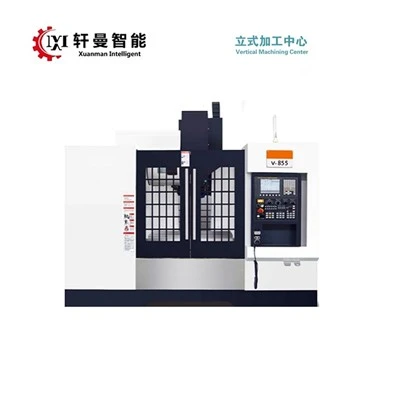
When you’re investing in a CNC lathe, you’re not just buying a machine—you’re buying a tool that will make you money, day in and day out. The chip removal system is a huge part of that, and it’s worth taking the time to get it right. We’re here to make that process easy, no sales pressure, just honest advice based on real shop floor experience. Don’t let a bad chip system hold your production back—let’s talk about what you need.
Turn Mill Center References
- Smid, P. (2007). CNC Turning: Technology, Programming, and Operations. Industrial Press Inc.
- OSHA. (2022). Machine Guarding Requirements for Metalworking Machines. U.S. Department of Labor.
- Krauss, G. (2019). Metal Removal Processes for CNC Machining. ASM International.
- Modern Machine Shop. (2021). “Chip Conveyor Selection Tips for Machining Operations.” Gardner Business Media.
Jiangsu Xuanman Intelligent Equipment Co., Ltd.
As one of the most professional vertical CNC lathe manufacturers in China, we’re featured by quality products and low price. Please rest assured to buy discount vertical CNC lathe made in China here from our factory. Customized orders are welcome.
Address: No.1-1, Weier Road, Jieji Equipment Manufacturing Industrial Park, Sihong County, Suqian City, Jiangsu Province, China
E-mail: jsxmzn@163.com
WebSite: https://www.xm-machs.com/
